
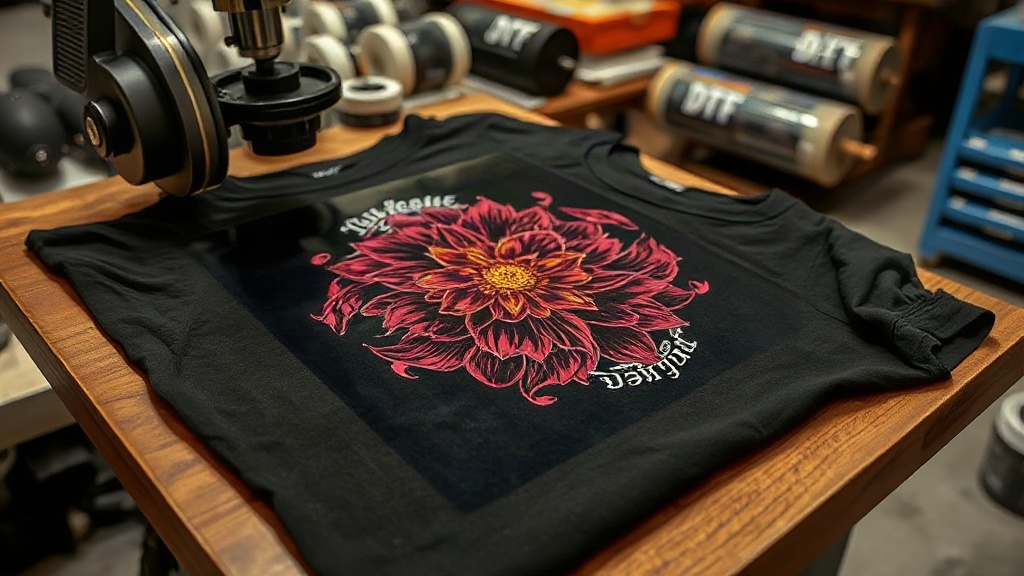
When it comes to creating custom apparel that stands out, DTF transfers have become a game-changer for businesses and hobbyists alike. Unlike traditional methods that limit your design options, DTF transfers allow you to print full-color, intricate designs onto a variety of fabrics with remarkable ease. Whether you're running a small print shop or just starting to explore custom clothing, understanding DTF transfers can open up a world of possibilities. In this guide, we'll walk you through everything you need to know, from the basics of the process to pro tips for flawless application.
What Are DTF Transfers?
DTF stands for Direct-to-Film, a printing technology that involves transferring a design onto a special film, then applying it to fabric using heat and pressure. The process begins with printing your design onto a PET film using specialized DTF inks, followed by a powder adhesive that melts and bonds the design to the fabric during heat pressing. This method eliminates the need for cutting or weeding, making it ideal for complex, multi-color designs.
Unlike DTG (Direct-to-Garment) printing, which requires pre-treatment and works best on cotton, DTF transfers can be applied to a wide range of materials, including polyester, blends, and even leather. This versatility, combined with vibrant colors and soft feel, has made DTF a favorite among apparel decorators.
The DTF Transfer Process Step by Step
Understanding each stage of the DTF process helps you achieve consistent, high-quality results. Here's how it works:
1. Design Preparation
Start with a high-resolution image, preferably in PNG format with a transparent background. DTF printers use CMYK plus white ink, so ensure your design's colors are set for RGB or CMYK depending on your printer's requirements. Remember that white ink acts as a base, so light colors on dark fabrics will pop.
2. Printing
The design is printed onto a special DTF film. The printer lays down white ink first (if needed), then color inks. The film is then dusted with a hot-melt adhesive powder, which is cured using a heat source. This powder is crucial for bonding the transfer to the fabric.
3. Curing
After powdering, the film passes through a curing oven or under a heat gun to melt the powder. Proper curing ensures the adhesive becomes tacky and ready for transfer. Skipping or under-curing can lead to poor adhesion and washability.
4. Transferring
Set your heat press to the recommended temperature (usually 300-325°F) and pressure (medium to high). Place the transfer on the garment, cover with a protective sheet, and press for 10-15 seconds. Peel the film either hot or cold, depending on the film type. And voila! Your custom apparel is ready.
Why Choose DTF Transfers?
DTF transfers offer several advantages that make them a top choice for custom apparel:
- No Weeding or Cutting: Save time and labor by skipping the tedious weeding process required for vinyl.
- Unlimited Colors: Print photorealistic images with gradients and fine details without color limitations.
- Fabric Versatility: Works on cotton, polyester, blends, and even treated leather.
- Durability: When applied correctly, DTF transfers withstand repeated washing without fading or cracking.
- Soft Feel: The transfer is thin and flexible, providing a comfortable wear.
- Cost-Effective for Small Batches: No minimum order quantities, ideal for one-off designs or small runs.
DTF vs. Other Printing Methods
How does DTF stack up against other popular techniques?
DTF vs. DTG
DTG prints directly onto the garment and is limited to cotton fabrics. It requires pre-treatment and can be costly for small batches. DTF, on the other hand, works on more fabrics and doesn't need pre-treatment, making it more versatile and often more cost-effective.
DTF vs. Vinyl
Heat transfer vinyl (HTV) requires cutting and weeding, which is time-consuming and impractical for complex designs. DTF eliminates these steps and allows for full-color designs that vinyl can't achieve.
DTF vs. Screen Printing
Screen printing is economical for large orders but involves setup costs and is impractical for small runs or multi-color designs. DTF is better suited for small batches and intricate artwork.
Applications of DTF Transfers
DTF transfers are used across various industries and personal projects:
- Custom T-shirts: Perfect for team jerseys, event merchandise, and personalized gifts.
- Activewear: The stretchability and durability make DTF ideal for sportswear and leggings.
- Bags and Accessories: Add logos or designs to tote bags, backpacks, and hats.
- Home Decor: Personalize pillows, blankets, and more.
- Promotional Items: Create branded apparel for businesses and events.
Tips for Perfect DTF Transfers
To get professional results, follow these expert tips:
- Choose the Right Film: Not all DTF films are created equal. Select a film compatible with your printer and intended fabric.
- Control Moisture: Fabric should be dry before pressing. Moisture can cause adhesion issues.
- Pre-Press Garments: Remove wrinkles and moisture by pre-pressing for a few seconds.
- Use Consistent Pressure: Uneven pressure leads to patchy transfers. Adjust your heat press for even application.
- Test Peel Timing: Some films require hot peel, others cold. Follow the manufacturer's instructions.
- Wash Inside Out: To prolong the life of your transfer, wash garments inside out in cold water and avoid bleach.
Common Mistakes to Avoid
Even seasoned pros can slip up. Watch out for these pitfalls:
- Under-Curing the Powder: If the adhesive isn't fully melted, the transfer won't bond properly.
- Incorrect Temperature: Too hot can scorch the fabric; too cold means poor adhesion.
- Pressing on Seams or Zippers: This creates uneven pressure and can damage the transfer.
- Reusing Film: DTF film is single-use; reusing leads to poor results.
- Ignoring Fabric Type: Some fabrics like nylon or waterproof materials may require special films or lower temperatures.
Frequently Asked Questions
How long do DTF transfers last?
With proper application and care, DTF transfers can last 50+ washes without significant fading or cracking. Following wash instructions is key.
Can I use DTF transfers on dark fabrics?
Absolutely! DTF transfers work exceptionally well on dark fabrics because the white ink base ensures vibrant colors.
What equipment do I need to start with DTF transfers?
You'll need a DTF printer, DTF film, hot-melt powder, a heat press, and a curing oven or heat gun. A computer with design software is also essential.
Is DTF printing cost-effective for small businesses?
Yes, DTF is cost-effective for small batches because there's no minimum order and you only print what you need. It eliminates setup costs associated with screen printing.
Can I stretch DTF transfers?
DTF transfers have some stretchability, making them suitable for activewear. However, excessive stretching may cause cracking, so it's best for moderately stretchy fabrics.
Conclusion
DTF transfers have transformed the custom apparel industry by offering unmatched versatility, vibrant colors, and durability. Whether you're a business looking to expand your offerings or a DIY enthusiast, mastering DTF transfers can elevate your creations. With the right techniques and a bit of practice, you'll be producing professional-grade custom apparel in no time. Remember to source quality supplies and follow best practices for optimal results. Happy printing!