
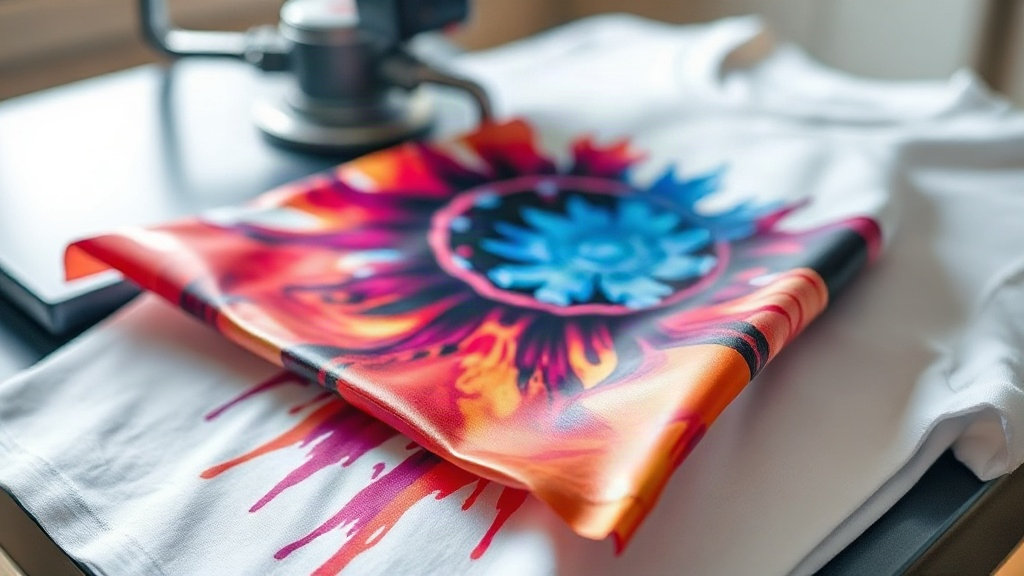
If you've been exploring custom apparel printing, you've likely encountered DTF transfers. This technology has rapidly become a favorite for small business owners, crafters, and anyone wanting to create vibrant, long-lasting designs on fabrics. Unlike traditional methods that require multiple steps or specific materials, DTF transfers offer a streamlined approach that works on almost any fabric. In this guide, we'll dive deep into what DTF transfers are, how they work, and how you can use them to elevate your custom apparel game.
What Are DTF Transfers?
DTF stands for Direct to Film. It's a printing method where your design is printed onto a special film, coated with a adhesive powder, and then heat-pressed onto the fabric. The result is a soft, stretchable, and durable print that can be applied to cotton, polyester, blends, and even leather. Unlike DTG (Direct to Garment) or screen printing, DTF transfers don't require pre-treatment or special inks for different fabrics. This versatility makes them a game-changer for small businesses that want to offer a wide range of products without investing in multiple printing setups.
The DTF Printing Process
The process begins with a digital printer that uses special DTF inks. These inks are printed onto a PET film in a mirror image. After printing, a fine powder (often called hot melt adhesive) is applied to the wet ink. The powder sticks to the ink and is then cured using a heat source. Once cured, the transfer is ready to be applied to fabric using a heat press. The film is peeled away either hot or cold, leaving the design bonded to the fabric.
Why Choose DTF Transfers for Your Custom Apparel?
There are several compelling reasons why DTF transfers have become so popular. First, they offer incredible color vibrancy and fine detail. Because the design is printed digitally, you can achieve photographic-quality images with gradients and subtle shading that would be difficult with screen printing. Second, DTF transfers are extremely durable. When applied correctly, they can withstand dozens of washes without fading or cracking. Third, they work on a wide range of fabrics, including those that are tricky for other methods, like nylon and leather. Finally, DTF transfers are cost-effective for short runs. There's no need for screens or setup fees, making them perfect for small batches or personalized items.
Compatibility with Various Fabrics
One of the biggest advantages of DTF transfers is their compatibility with almost any fabric. Whether you're working with 100% cotton t-shirts, polyester athletic wear, or even canvas bags, DTF transfers will adhere well. This opens up a world of possibilities for product offerings. You can print on dark colors without needing a white underbase, which is a common requirement in DTG printing. The white ink in DTF transfers acts as a base, ensuring that colors pop on both light and dark garments.
How to Apply DTF Transfers: Step-by-Step
Applying DTF transfers is straightforward, but following the correct steps ensures a professional and lasting result. Here's what you need to do:
- Prepare your heat press: Set the temperature to around 325°F (160°C) and preheat for a few minutes. Ensure the platen is clean.
- Pre-press the garment: Place your fabric on the press and press for 5-10 seconds to remove moisture and wrinkles. This step is crucial for proper adhesion.
- Position the transfer: Place the DTF transfer on the garment with the printed side facing up. If your transfer has a clear carrier film, the design should be touching the fabric.
- Press the transfer: Apply medium to firm pressure for 10-15 seconds. The exact time may vary based on your press and the transfer manufacturer's instructions.
- Peel the film: DTF transfers can be peeled hot or cold, but most modern films are designed for cold peel. Wait a few seconds for the transfer to cool slightly, then peel the film off in a smooth, consistent motion.
- Post-press (optional): For added durability, you can place a Teflon sheet or parchment paper over the design and press for another 5-10 seconds.
Tips for Perfect Application
To get the best results, keep these tips in mind:
- Always check the instructions provided with your DTF transfers, as different manufacturers may have specific recommendations.
- Use a heat press rather than an iron. Irons don't provide consistent pressure and temperature, which can lead to uneven adhesion.
- Ensure your garment is completely flat and free of wrinkles before pressing.
- If you're applying to stretchy fabrics, stretch the garment slightly before pressing to prevent the transfer from cracking when worn.
- Allow the transfer to cool completely before wearing or washing the garment.
DTF Transfers vs. Other Printing Methods
When deciding on a printing method, it's helpful to compare DTF with other popular options.
DTF vs. DTG
DTG (Direct to Garment) printing involves printing directly onto the fabric. It's great for 100% cotton but requires pre-treatment and can be less durable on synthetic fabrics. DTF transfers, on the other hand, work on almost any fabric and often have better wash fastness. DTF also eliminates the need for pre-treatment, saving time and money.
DTF vs. Screen Printing
Screen printing is cost-effective for large orders but requires separate screens for each color, making it expensive for small runs or complex designs. DTF transfers have no setup costs and can reproduce full-color images in a single transfer. However, for very large orders, screen printing may still be more economical per unit.
DTF vs. Vinyl
Heat transfer vinyl (HTV) is another popular method for custom apparel. While HTV is great for simple designs and single colors, it can't handle intricate details or gradients. DTF transfers excel at complex, multi-color designs and offer a softer feel on the garment.
Common Challenges and How to Overcome Them
Even though DTF transfers are user-friendly, you might encounter a few issues. Here's how to troubleshoot:
- Transfer not adhering: This usually happens due to insufficient pressure, incorrect temperature, or not pre-pressing the garment. Double-check your press settings and ensure the fabric is flat.
- Cracking or peeling after washing: This can occur if the transfer wasn't pressed long enough or if the garment was washed incorrectly. Always wait at least 24 hours before washing, and turn the garment inside out. Use cold water and avoid fabric softeners.
- Colors looking dull: If the colors appear faded, you might be pressing at too high a temperature, which can scorch the ink. Lower the temperature slightly and reduce the pressing time.
- Film difficult to peel: If the film doesn't peel easily, it might be because it's too hot or too cold. Experiment with different peel temperatures; most DTF films are cold peel, but some are hot peel.
Where to Buy DTF Transfers
You can purchase DTF transfers from various online suppliers. When choosing a supplier, look for high-quality inks and films, as these directly affect the durability and appearance of your prints. Many suppliers offer custom transfer services where you upload your design, and they ship the ready-to-press transfers to you. This is ideal if you don't want to invest in a DTF printer. At theembroidered.com, we specialize in providing top-notch DTF transfers tailored to your needs. Our transfers are known for their vibrant colors and exceptional wash durability, making them a favorite among apparel businesses.
Frequently Asked Questions About DTF Transfers
How long do DTF transfers last?
When applied correctly and cared for properly, DTF transfers can last as long as the garment itself. They are highly durable and can withstand repeated washing without fading, cracking, or peeling. To maximize longevity, always follow the care instructions: wash inside out in cold water, avoid bleach and fabric softener, and tumble dry on low or hang dry.
Can I use DTF transfers on dark fabrics?
Absolutely! DTF transfers are particularly well-suited for dark fabrics because they include a white ink base that makes colors pop. Unlike some other methods, you don't need to use a separate white underbase or pre-treat the fabric. The transfer will appear vibrant and opaque on both light and dark garments.
Do I need a special printer to make DTF transfers?
Yes, to produce DTF transfers yourself, you need a DTF printer that uses special DTF inks and a shaker machine for applying the adhesive powder. However, if you don't want to invest in equipment, you can order custom DTF transfers from a supplier. Many companies, including ours, offer a hassle-free service where you send your design, and we ship the transfers to you.
What is the best way to store DTF transfers?
Store unused DTF transfers in a cool, dry place away from direct sunlight. Keep them in a sealed bag or container to prevent dust and moisture from affecting the adhesive. Properly stored transfers can last for several months without losing their quality.
Can DTF transfers be stretched?
DTF transfers have some stretchability, but they are not infinitely stretchable. When applied to stretchy fabrics like spandex or elastane, the transfer may crack if stretched excessively. To minimize cracking, choose a transfer with a flexible adhesive and press it onto a slightly stretched garment. Also, avoid over-stretching the printed area when wearing.
DTF transfers have revolutionized the custom apparel industry by offering a versatile, durable, and cost-effective solution for printing on a wide range of fabrics. Whether you're a small business owner looking to expand your product line or a DIY enthusiast wanting to create personalized gifts, DTF transfers provide the quality and flexibility you need. With the right techniques and a reliable supplier like theembroidered.com, you can achieve professional results that impress your customers and keep them coming back for more.