
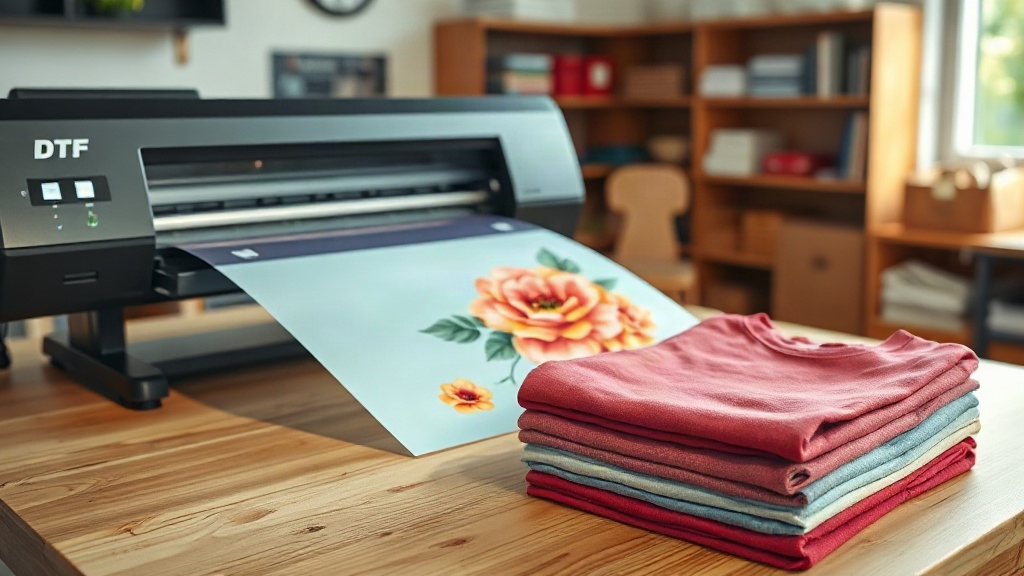
When it comes to creating custom apparel that stands out, DTF printing has emerged as a versatile and accessible method. Unlike traditional screen printing or heat transfer vinyl, DTF (Direct to Film) printing allows for full-color, detailed designs on a wide range of fabrics without the need for multiple screens or weeding. Whether you're a small business owner, a hobbyist, or someone looking to personalize team uniforms, understanding DTF printing can open up a world of creative possibilities.
In this guide, we'll dive into the ins and outs of DTF printing, from the basic process to advanced tips, so you can make informed decisions and achieve professional-looking results.
What is DTF Printing?
DTF printing stands for Direct to Film. It's a digital printing technology where your design is printed onto a special film, coated with a powder adhesive, and then heat-pressed onto the fabric. The result is a durable, vibrant transfer that bonds permanently to the material. This method works on cotton, polyester, blends, and even some treated nylon, making it incredibly versatile.
The process involves several key steps:
- Design Preparation: Your artwork is prepared digitally, often with a transparent background if needed.
- Printing: A DTF printer lays down CMYK inks plus white ink onto a PET film. The white ink acts as a base so colors pop on dark fabrics.
- Powdering: While the ink is still wet, a thermoplastic powder is applied evenly over the print.
- Curing: The film goes through a heat source (like a heat press or oven) to melt the powder, creating a flexible adhesive layer.
- Transfer: The film is placed on the garment and heat-pressed. After cooling, the film is peeled away, leaving the design behind.
Because DTF doesn't require cutting or weeding, it's faster for complex designs compared to vinyl. It also eliminates the color limitations of screen printing, as you can print gradients, photographs, and fine details with ease.
Why Choose DTF Printing for Your Projects?
There are several reasons why DTF printing has become a favorite among apparel decorators. Let's explore the main advantages.
Unmatched Versatility
DTF transfers adhere to a wide range of materials, including 100% cotton, 100% polyester, cotton-poly blends, and even leather or canvas. This means you can decorate t-shirts, hoodies, tote bags, caps, and more without worrying about compatibility issues. Unlike vinyl, which may struggle with stretchy fabrics, DTF transfers stretch with the garment, reducing cracking over time.
Vibrant, Full-Color Designs
With DTF, you can print unlimited colors in a single pass. The white ink base ensures that colors remain bright and opaque on both light and dark garments. This is a significant advantage over other methods that require separate screens for each color or that struggle with white ink.
Cost-Effective for Short Runs
For small batches or one-off items, DTF printing is more economical than screen printing, which has setup costs for each color. There's no minimum order quantity, so you can print a single shirt or a hundred with the same ease. This makes it ideal for personalized gifts, sample runs, or small businesses testing designs.
Durability and Washability
When applied correctly, DTF transfers are highly durable. They resist cracking, peeling, and fading, even after multiple washes. The key is proper curing and pressing, which we'll cover later. Many users report that DTF prints outlast vinyl transfers, especially on stretchy fabrics.
Getting Started with DTF Printing
If you're ready to try DTF printing, here's what you need to know to get started on the right foot.
Essential Equipment
To set up a DTF printing workflow, you'll need:
- A DTF printer (dedicated or converted from an inkjet).
- DTF inks (CMYK plus white).
- DTF film (PET film).
- Thermoplastic powder (adhesive powder).
- A heat press or curing oven.
- A powder shaker machine (optional but helpful for even application).
While you can start with a basic setup, investing in quality equipment will save you time and frustration. Many beginners start with a converted Epson printer and gradually upgrade.
Design Tips for DTF
Not all designs translate perfectly to DTF. Keep these tips in mind:
- Use high-resolution images (300 DPI or higher) for crisp details.
- Add a white underbase for dark garments; most DTF RIP software does this automatically.
- Avoid very fine lines or tiny text, as they may not adhere well.
- Consider the fabric color: light colors may need less white ink, while dark colors require more.
Step-by-Step DTF Transfer Process
Here's a simplified workflow for creating a DTF transfer:
- Print your design onto DTF film using your printer. Ensure the white ink layer is printed correctly.
- While the print is wet, sprinkle thermoplastic powder over it. Shake off excess.
- Cure the film in a heat press at around 160°C (320°F) for 2-3 minutes, or until the powder melts and becomes glossy.
- Allow the film to cool. You can store it for later use.
- Preheat your garment to remove moisture. Place the film on the fabric, powder side down.
- Press at 160°C (320°F) for 15-20 seconds with medium pressure.
- Wait for it to cool completely (cold peel) before removing the film. Some films are hot peel; check your film's instructions.
- For best durability, press again for 5-10 seconds with a protective sheet.
Practice on scrap fabric first to dial in your press settings. Every heat press varies, so temperature and time may need slight adjustments.
Common Challenges and How to Overcome Them
Even with a good setup, you might encounter issues. Here are some common problems and solutions:
- Faded or dull colors: Increase white ink density or ensure proper curing. Also, check that your printer is using the correct color profile.
- Transfer peeling after wash: Usually due to under-curing or insufficient pressure during application. Increase curing time and pressure.
- Powder not sticking: Apply powder immediately while ink is wet. If ink dries, powder won't adhere.
- Cracking: Stretching the garment too much during pressing or using too high heat can cause cracking. Use moderate stretch and follow temperature guidelines.
Keeping a log of your settings for each fabric type will help you replicate success.
DTF vs. Other Printing Methods
How does DTF stack up against other popular decoration methods?
- DTF vs. DTG: DTG (Direct to Garment) prints directly onto fabric and works best on 100% cotton. DTF works on more fabrics and produces more vibrant colors on dark shirts. DTG may feel softer but often requires pre-treatment.
- DTF vs. Vinyl: Vinyl is great for simple, one-color designs but can't handle complex images. DTF excels with full-color graphics and doesn't require weeding.
- DTF vs. Screen Printing: Screen printing is cost-effective for large runs but has setup costs and color limitations. DTF is better for small batches and detailed designs.
Each method has its place, but DTF offers a unique blend of versatility and quality that's hard to beat for custom apparel.
Frequently Asked Questions
What fabrics can I use with DTF printing?
DTF transfers work on cotton, polyester, blends, leather, canvas, and more. They adhere well to both light and dark materials, though some fabrics like nylon may require a special pretreatment.
How long do DTF prints last?
With proper application and care, DTF prints can last as long as the garment. They withstand dozens of washes without significant fading or cracking if you follow correct curing and pressing procedures.
Do I need a special printer for DTF?
You can use a dedicated DTF printer or convert a standard inkjet printer (like certain Epson models) with DTF inks and a RIP software. Dedicated printers are easier but more expensive.
Is DTF printing cost-effective for small businesses?
Yes, DTF is very cost-effective for short runs because there are no minimums or setup fees. It allows you to offer custom designs without inventory risk.
Can I use DTF on 100% polyester?
Absolutely. DTF transfers adhere well to polyester, but you may need to adjust pressing temperature and time to avoid scorching. Always test on a sample first.
Final Thoughts
DTF printing is a powerful tool for anyone in the custom apparel space. Its ability to produce vibrant, detailed designs on a variety of fabrics with minimal setup makes it a go-to method for creators and businesses alike. By understanding the process, investing in quality supplies, and practicing your technique, you can achieve professional results that delight your customers.
Whether you're decorating a few shirts for a family reunion or launching a full clothing line, DTF printing offers the flexibility and quality you need. So why not give it a try? Your next custom creation is just a print away.