
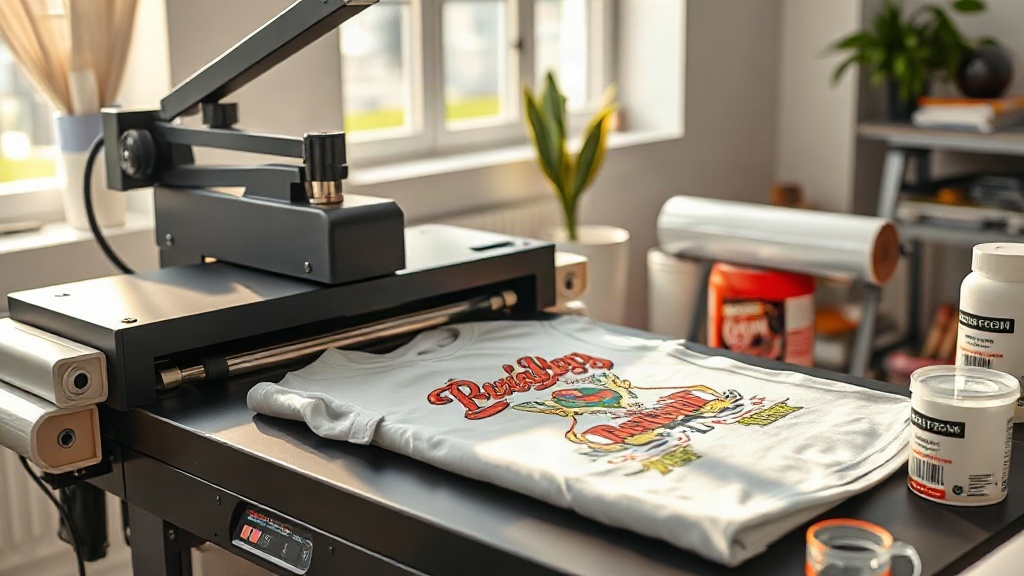
If you've been exploring custom apparel printing, you've likely encountered the term DTF. It stands for Direct to Film, a digital printing method that has rapidly gained popularity among hobbyists and professionals alike. Unlike traditional techniques that require specific fabrics or complicated setups, DTF offers remarkable versatility and vibrant results. In this guide, we'll dive into what DTF printing is, how it works, and why it might be the perfect solution for your next project.
What is DTF Printing?
DTF printing is a process where your design is printed onto a special film, coated with a powder adhesive, and then heat-pressed onto the fabric. This method allows you to transfer full-color graphics onto a wide range of materials, including cotton, polyester, blends, and even some non-fabric items like canvas and leather. The key advantage is that you don't need to pretreat the fabric or use specialized equipment beyond a printer, powder, and heat press.
The technology behind DTF has evolved from older transfer methods, offering better durability and finer detail. It's particularly appealing for small businesses and individuals because it eliminates the need for minimum order quantities and permits printing on demand.
How Does DTF Printing Work?
Understanding the DTF process can help you achieve professional-looking results. Here's a step-by-step breakdown:
- Design Preparation: Create your artwork in a graphics program, ensuring it's mirrored and sized correctly. DTF printers use CMYK plus white ink, so colors should be vibrant.
- Printing: The design is printed onto a PET film. The printer lays down white ink first (as a base), followed by the color layers. This white base is crucial for opacity on dark fabrics.
- Powder Application: While the ink is still wet, a thermoplastic powder is applied evenly over the print. The excess powder is shaken off.
- Curing: The film with powder is heated to melt the adhesive, usually in an oven or with a heat gun. This step is critical for washability.
- Transfer: The film is placed on the fabric and heat-pressed. After cooling, the film is peeled away, leaving the design bonded to the fabric.
Each step requires attention to detail, but with practice, the process becomes second nature. The result is a soft, stretchable print that can withstand repeated washing.
Why Choose DTF for Custom Apparel?
There are several reasons why DTF printing stands out:
- Versatility: Works on almost any fabric, including 100% cotton, polyester, and blends. No need for separate inks or pretreatments.
- Vibrant Colors: Achieves bright, detailed prints with gradients and fine lines that rival screen printing.
- Durability: When properly applied, DTF prints resist cracking, peeling, and fading.
- Cost-Effective for Small Runs: No setup fees or minimums, making it ideal for one-off items or small batches.
- Ease of Use: With a good printer and heat press, you can produce professional results in-house.
For entrepreneurs selling custom t-shirts, tote bags, or promotional items, DTF offers a low-barrier entry into apparel decoration.
DTF vs. Other Printing Methods
How does DTF compare to DTG, screen printing, and vinyl? Let's break it down:
DTF vs. DTG (Direct to Garment)
DTG prints directly onto the fabric, often requiring pretreatment for dark shirts. DTF transfers from a film, so you can print on dark colors without pretreatment, and the white ink base ensures opacity. DTG may feel softer on the fabric, but DTF offers better durability on polyester.
DTF vs. Screen Printing
Screen printing is cost-effective for large orders but requires separate screens per color. DTF excels for complex, multi-color designs and small runs, with no setup costs. However, screen printing can be faster for bulk orders.
DTF vs. Heat Transfer Vinyl (HTV)
HTV is great for simple, single-color designs but limited for detailed graphics. DTF handles full-color images with ease, and the feel is often softer than layered vinyl.
Ultimately, the choice depends on your specific needs, but DTF is a strong contender for its flexibility.
Getting Started with DTF Printing
Ready to try DTF? Here's what you'll need:
- DTF Printer: Dedicated printers are available, or you can convert certain inkjet printers with DTF ink systems.
- DTF Ink: CMYK and white inks formulated for DTF.
- PET Film: Special film that holds the ink and releases it during transfer.
- Adhesive Powder: Thermoplastic powder that bonds the ink to the fabric.
- Heat Press: For both curing the powder and transferring the design.
- Design Software: Any vector or raster program works; just remember to mirror your design.
Start with a simple design to test your settings. Temperature, pressure, and time vary by fabric and film, so keep a log of what works.
Tips for Perfect DTF Transfers
Even with the right equipment, small mistakes can ruin a print. Here are some expert tips:
- Control Moisture: Fabric should be dry and lint-free. Pre-press garments to remove moisture.
- Even Powder Coating: Too much powder leads to a rough feel; too little causes poor adhesion. Shake off excess thoroughly.
- Curing Temperature: Follow the powder manufacturer's recommendations. Under-curing causes wash-off; over-curing can yellow the print.
- Pressure Matters: Use medium to high pressure on your heat press for consistent adhesion.
- Peel Test: After pressing, wait for the film to cool before peeling. If the design lifts, adjust your settings.
With practice, you'll develop a feel for the process and achieve professional results every time.
Common Challenges and Solutions
DTF printing isn't without its quirks. Here are some common issues and how to fix them:
Prints Cracking After Washing
This usually indicates under-curing or insufficient pressure. Increase curing time or temperature, and ensure your heat press is applying even pressure.
Colors Look Dull
Dull colors can result from low ink saturation or incorrect color profiles. Check your printer settings and use high-quality ink. Also, ensure the white base is sufficient for dark fabrics.
Film Not Peeling Cleanly
If the film tears or leaves residue, it may be due to overheating or too much pressure. Let the transfer cool completely before peeling, and adjust your press settings.
Troubleshooting is part of the learning curve, but each fix builds your expertise.
Applications of DTF Printing
The versatility of DTF opens up numerous possibilities:
- Custom T-Shirts: Perfect for personalized gifts, team uniforms, or fashion lines.
- Activewear: The stretchable prints move with the fabric, ideal for leggings and jerseys.
- Accessories: Tote bags, caps, and even shoes can be decorated.
- Home Decor: Cushion covers, aprons, and wall hangings.
- Promotional Items: Small businesses can create branded merchandise without large inventories.
If you can heat-press it, you can probably DTF it.
Is DTF Printing Right for You?
Consider your production volume, design complexity, and fabric types. If you need full-color, durable prints on various materials without minimums, DTF is likely a great fit. It's also a fantastic option for those who want to print on demand, reducing waste and inventory costs.
However, if you're doing large runs of a single-color design, screen printing might be more economical. Evaluate your needs and perhaps start with a small DTF setup to test the waters.
Frequently Asked Questions
What fabrics can I use with DTF printing?
DTF works on a wide range of fabrics, including cotton, polyester, nylon, and blends. It's also suitable for non-fabric surfaces like canvas and leather, as long as they can withstand heat.
How long do DTF prints last?
When properly applied, DTF prints can last as long as the garment itself. They resist cracking, peeling, and fading through many washes. Following care instructions, like washing inside out in cold water, extends their life.
Do I need special ink for DTF printing?
Yes, DTF printing requires DTF-specific ink, which includes CMYK and white. These inks are formulated to work with the adhesive powder and film. Using regular inkjet ink will not yield durable results.
Can I use a regular heat press for DTF?
Absolutely. A standard heat press works for both curing the powder and transferring the design. You'll need to adjust temperature and pressure according to your materials. Some people also use a heat gun for curing, but a press is more consistent.
Is DTF printing cost-effective for small businesses?
Yes, DTF is very cost-effective for small runs because there are no setup fees or minimum order quantities. The main costs are the printer, ink, film, and powder, which are reasonable for startup. As you scale, you can negotiate better prices on supplies.