
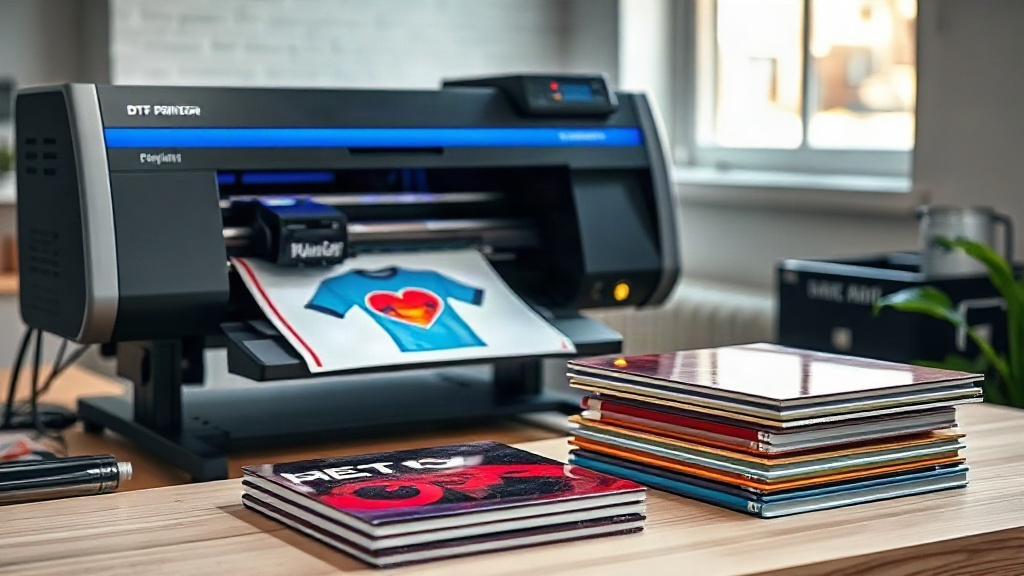
If you've been exploring custom apparel, you've likely encountered the term DTF. It stands for Direct to Film, a printing method that has rapidly gained popularity among crafters and small business owners. Unlike traditional techniques, DTF printing allows you to transfer full-color designs onto various fabrics with remarkable ease. Whether you're creating personalized t-shirts for a family reunion or launching a clothing line, understanding DTF printing can open up a world of creative possibilities. In this guide, we'll walk you through the essentials: what DTF printing is, how it compares to other methods, and practical tips to achieve professional results.
What Is DTF Printing?
DTF printing is a digital printing process where your design is printed onto a special film, then coated with a powder adhesive and heat-pressed onto fabric. The magic lies in its simplicity: you print, powder, cure, and press. This method eliminates the need for weeding or layering, making it accessible even for beginners. The result is a soft, stretchable transfer that bonds permanently to the fabric. Because the design is printed on film, you can achieve incredibly fine details, gradients, and photographic images that other methods struggle to reproduce.
How DTF Printing Works: Step by Step
Understanding the workflow helps you appreciate the versatility of DTF printing. Here's a breakdown of the process:
- Design Preparation: Create your artwork in a graphics program. Ensure it's mirrored before printing, as the film is pressed face-down onto the fabric.
- Printing: Using a DTF printer, your design is printed onto a PET film with special inks. White ink is typically used as a base to make colors pop on dark fabrics.
- Powdering: While the ink is still wet, a thermoplastic powder is applied evenly over the print. This powder will melt during curing to create the adhesive layer.
- Curing: The film goes through a curing oven or heat press to melt the powder. This step is crucial for durability.
- Transfer: Finally, the film is placed on the fabric and heat-pressed. After cooling, you peel away the film, leaving a vibrant, flexible design.
Each step requires attention to detail, but with practice, you'll develop a rhythm that makes the process efficient.
Why Choose DTF Printing Over Other Methods?
When you're deciding how to decorate apparel, several options compete for your attention: screen printing, vinyl, sublimation, and DTG. DTF printing stands out for several reasons:
- No Color Limits: Unlike vinyl, you can print unlimited colors and gradients without layering.
- Fabric Versatility: It works on cotton, polyester, blends, and even nylon. Sublimation, by contrast, requires polyester-coated surfaces.
- Durability: When properly applied, DTF transfers withstand repeated washing without cracking or fading.
- Cost-Effective for Small Runs: Screen printing has setup costs that make small orders expensive. DTF is economical for one-offs and short runs.
- Soft Feel: The transfers are thin and stretch with the fabric, avoiding the plastic-y feel of some heat transfers.
Of course, no method is perfect for every scenario. For very large orders of simple designs, screen printing might be more cost-effective. But for detailed, multi-color designs on demand, DTF is hard to beat.
Getting Started with DTF Printing
If you're ready to dive into DTF printing, here's what you'll need:
Essential Equipment
- DTF Printer: Options range from converted inkjet printers to dedicated DTF machines. Start with a reliable model that fits your budget.
- DTF Inks: These are specially formulated for the process. Using the wrong ink will clog your printer and ruin prints.
- PET Film: Choose film designed for DTF printing. It comes in sheets or rolls.
- Adhesive Powder: Also known as hot melt powder. Fine-grain powder works best for detailed designs.
- Heat Press: A quality heat press ensures even temperature and pressure for both curing and transferring.
- Curing Oven (Optional): While you can cure with a heat press, an oven provides more consistent results for larger batches.
Tips for Success
Mastering DTF printing takes practice. Here are some tips to shorten your learning curve:
- Test Your Settings: Every printer, ink, and film combo behaves differently. Run test prints to dial in temperature, pressure, and time.
- Control Humidity: Moisture can affect powder adhesion. Store supplies in a dry area and consider a dehumidifier.
- Handle Film Carefully: Avoid touching the printed area before powdering, as oils from your skin can cause defects.
- Press Twice: Some users press once to transfer and a second time after peeling for extra durability.
- Wash Inside Out: Advise your customers to wash garments inside out in cold water and avoid fabric softener to prolong the life of the print.
With these practices, you'll produce transfers that look professional and last.
Common Challenges and How to Overcome Them
Even seasoned crafters face issues. Here are a few common problems and solutions:
- Faded or Dull Colors: Ensure you're using enough white ink as a base. Also, check that your curing temperature is correct; under-curing can leave colors looking washed out.
- Cracking After Washing: This usually indicates insufficient powder or improper curing. Increase powder coverage and verify curing time and temperature.
- Film Not Peeling Cleanly: Let the transfer cool completely before peeling. If it's still difficult, try a cold peel film.
- Clogged Printheads: Regular maintenance is key. Print a nozzle check daily and clean the printhead as recommended by the manufacturer.
Don't get discouraged by initial setbacks. Troubleshooting is part of the learning process.
DTF Printing in the World of Print on Demand
Print on Demand (POD) has revolutionized how entrepreneurs sell custom products. DTF printing fits perfectly into this model because it requires no minimum order and allows for rapid fulfillment. With DTF, you can offer a wide range of products without holding inventory. When an order comes in, you print, press, and ship. This flexibility is ideal for online sellers using platforms like Etsy, Shopify, or Amazon Merch. Moreover, the quality of DTF transfers rivals that of traditional methods, so you don't have to sacrifice professionalism for convenience.
Frequently Asked Questions
What fabrics can I use with DTF printing?
DTF transfers adhere well to cotton, polyester, cotton-poly blends, nylon, and even leather. However, fabrics with heavy textures or coatings may require testing. For best results, pre-press the garment to remove moisture and wrinkles.
How long do DTF prints last?
With proper application and care, DTF prints can last as long as the garment itself. Washing inside out in cold water and avoiding bleach and fabric softener will extend the life significantly. Some users report prints lasting over 50 washes without noticeable fading.
Can I use DTF printing for small details and fine lines?
Absolutely. One of the strengths of DTF is its ability to reproduce intricate details, including small text and thin lines. Just ensure your printer's resolution is high enough and that you use quality film and powder.
Is DTF printing more expensive than other methods?
The cost per print depends on your volume and supplies. For small runs, DTF is often more affordable than screen printing due to no setup fees. However, for large orders of simple designs, screen printing may be cheaper. Consider your specific needs.
Do I need a special printer for DTF?
You can convert certain inkjet printers to use DTF inks, but dedicated DTF printers are recommended for reliability and print quality. They are designed to handle the unique demands of the process, including white ink circulation.
Embracing DTF printing can elevate your custom apparel game. With a bit of practice and the right supplies, you'll be creating stunning, durable transfers that impress customers and keep them coming back. Whether you're a hobbyist or a growing business, DTF offers a versatile, cost-effective solution for bringing your designs to life.