
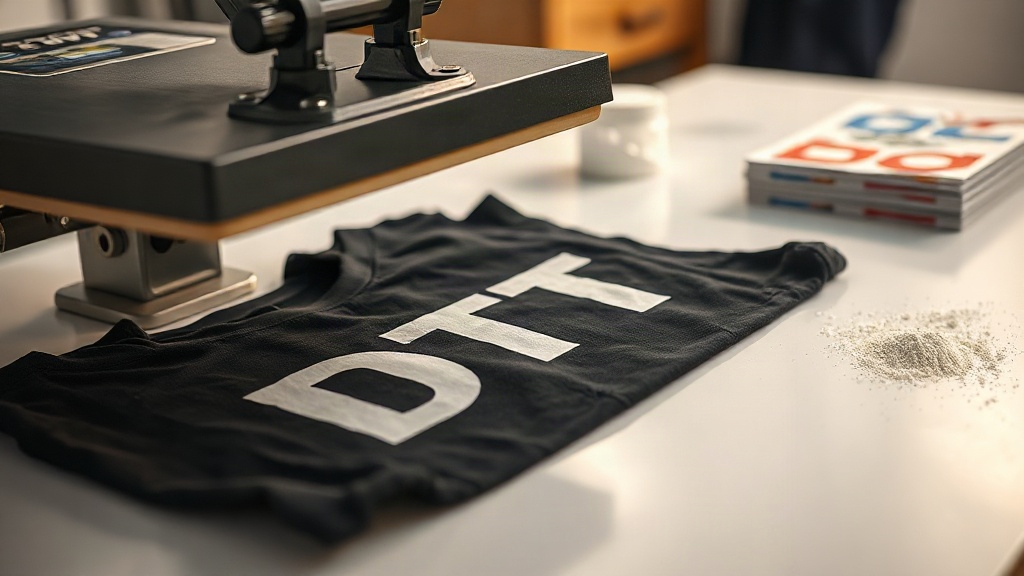
If you have ever wanted to create custom t-shirts, hoodies, or tote bags with vibrant, full-color designs, you have likely come across DTF transfers. Direct-to-film printing is rapidly becoming the go-to method for both small business owners and DIY crafters who want professional-looking results without the hassle of traditional screen printing or the limitations of heat transfer vinyl. In this guide, we will walk you through exactly what DTF transfers are, why they have become so popular, and how you can use them to bring your creative ideas to life.
What Are DTF Transfers?
DTF stands for Direct-to-Film. It is a printing technique where your design is printed onto a special PET film using water-based inks, then coated with a hot-melt adhesive powder. Once the powder is cured, the transfer is ready to be applied to fabric using a heat press. Unlike DTG (direct-to-garment) printing, which requires the garment to be loaded into a specialized printer, DTF transfers are printed separately and can be stored until you are ready to press them. This makes them incredibly versatile and accessible, especially for those who do not want to invest in expensive DTG equipment.
How DTF Transfers Differ from Other Methods
Compared to screen printing, DTF transfers do not require color separation or minimum order quantities. You can print a single design with unlimited colors and gradients, something that would be cost-prohibitive with screen printing. Vinyl cutting, on the other hand, is limited to solid colors and simple shapes, while DTF can reproduce intricate details and photographic images. DTG printing works well on 100% cotton but struggles with polyester and blends; DTF transfers adhere beautifully to cotton, polyester, blends, and even leather, making them a universal solution.
Why Choose DTF Transfers for Your Custom Apparel?
There are several compelling reasons why DTF transfers have taken the custom apparel world by storm. Let us break down the key benefits.
1. Unmatched Color Vibrancy and Detail
DTF printing uses CMYK plus white ink, allowing for bright, opaque colors on both light and dark fabrics. The white layer acts as a base, ensuring that your design pops even on black or navy garments. Fine lines, small text, and gradients are reproduced with impressive clarity, which is perfect for logos, illustrations, and photos.
2. Versatility Across Fabrics
Whether you are working with cotton, polyester, nylon, canvas, or leather, DTF transfers can adhere to almost any fabric. This opens up a world of possibilities for customizing items like denim jackets, sports jerseys, tote bags, and even shoes. You are not limited to a single material type.
3. Durability and Wash Resistance
When applied correctly, DTF transfers are extremely durable. They withstand repeated washing without cracking, peeling, or fading. The key is proper curing of the adhesive powder and using the right heat press settings. Many users report that their DTF-printed garments last as long as the garment itself.
4. Cost-Effective for Small Batches
Traditional screen printing requires separate screens for each color, which is expensive for small runs. DTF transfers eliminate that cost. You can print one-offs or small batches at a low cost, making them ideal for small businesses, personalized gifts, or sampling new designs.
5. Easy to Store and Ship
Once printed, DTF transfers are lightweight and can be stored flat or rolled up. They do not require special storage conditions, and you can ship them to customers or press them on demand. This flexibility is a game-changer for print-on-demand businesses.
How to Apply DTF Transfers: Step-by-Step
Applying DTF transfers is straightforward, but following the correct steps ensures a professional, long-lasting result. Here is a detailed guide.
Step 1: Prepare Your Workspace and Materials
You will need a heat press (or a home iron with caution), your DTF transfer, the garment, and a protective sheet (like parchment paper or Teflon). Ensure your workspace is clean and flat. Preheat your heat press to the recommended temperature, typically around 300°F to 325°F (150°C to 160°C).
Step 2: Pre-Press the Garment
Pre-pressing removes moisture and wrinkles from the fabric, which helps the transfer adhere evenly. Press the garment for 5 to 10 seconds. If you skip this step, moisture can cause the transfer to lift or bubble.
Step 3: Position the Transfer
Place the DTF transfer on the garment with the printed side facing up. The adhesive side (which feels slightly tacky) should be against the fabric. Position it exactly where you want the design. If you need to reposition, do it before pressing.
Step 4: Apply Heat and Pressure
Cover the transfer with a protective sheet. Press down with medium to firm pressure for 10 to 15 seconds. Do not use steam. The exact time and temperature can vary depending on the film manufacturer, so always check the instructions that came with your transfers.
Step 5: Peel the Film
DTF transfers are typically cold peel or warm peel. Most modern films are cold peel, meaning you wait until the transfer cools down completely before peeling off the film. Peeling while hot can cause the design to stretch or tear. Once cooled, peel the film off in a smooth, steady motion. If any part of the design lifts, press it again for a few seconds.
Step 6: Post-Press for Extra Durability
For maximum wash resistance, cover the design with a protective sheet and press again for 5 to 10 seconds. This ensures the adhesive is fully activated and the design is securely bonded.
Common Mistakes to Avoid with DTF Transfers
Even though DTF transfers are forgiving, some pitfalls can ruin your results. Here are the most common mistakes and how to avoid them.
- Using too much pressure: Excessive pressure can cause the adhesive to bleed out, leading to a stiff feel and reduced durability. Aim for medium pressure.
- Not pre-pressing: Skipping pre-press traps moisture, causing poor adhesion and bubbling.
- Peeling too early: Always check if your film is cold peel or hot peel. If cold peel, wait until it is completely cool.
- Incorrect temperature: Too low and the transfer will not stick; too high and the film may melt or the design may scorch. Use a heat gun or infrared thermometer to verify your press temperature.
- Storing transfers improperly: Keep them in a cool, dry place away from direct sunlight. Humidity can affect the adhesive powder.
DTF Transfers vs. Other Printing Methods: A Quick Comparison
To help you decide if DTF is right for your project, here is a side-by-side comparison with other popular methods.
- DTF vs. Screen Printing: DTF wins for small batches and complex designs; screen printing is more cost-effective for large runs of simple designs.
- DTF vs. DTG: DTF works on more fabric types and does not require pretreating; DTG is faster for direct printing but limited to cotton-rich fabrics.
- DTF vs. Vinyl: DTF handles full-color images and gradients; vinyl is limited to solid colors and simple shapes.
- DTF vs. Sublimation: Sublimation only works on polyester and light-colored fabrics; DTF works on almost anything, including dark colors.
Tips for Getting the Best Results with DTF Transfers
Whether you are a beginner or a seasoned pro, these tips will help you achieve professional-quality outcomes.
- Choose quality film and powder: Not all DTF supplies are created equal. Invest in reputable brands to avoid clogs and poor adhesion.
- Test your settings: Every heat press is different. Run a test with a small design on a scrap fabric to dial in temperature, pressure, and time.
- Use a heat press, not an iron: While an iron can work in a pinch, a heat press provides consistent pressure and temperature, which is crucial for DTF.
- Wash garments inside out: To extend the life of your DTF-printed apparel, wash in cold water and tumble dry low. Avoid fabric softeners and bleach.
- Store transfers properly: Keep them flat and away from moisture. If they curl, you can flatten them with a light press between two sheets of parchment paper.
Frequently Asked Questions About DTF Transfers
Can I use DTF transfers on 100% polyester?
Yes, DTF transfers adhere well to polyester. However, because polyester is heat-sensitive, you should use a lower temperature (around 280°F to 300°F) and shorter press time to avoid scorching or melting the fabric. Always test on a small area first.
How long do DTF transfers last?
With proper application and care, DTF transfers can last for years. They are known for their durability and resistance to cracking and fading. Washing the garment inside out in cold water and avoiding high heat in the dryer will significantly extend the life of the print.
Do I need a special printer for DTF transfers?
You can print DTF transfers using a modified inkjet printer with DTF ink and film, or you can purchase pre-printed transfers from a supplier. For those who want to print their own, a dedicated DTF printer is recommended for best results, but many start with a converted Epson printer.
What is the difference between hot peel and cold peel DTF transfers?
Hot peel transfers are designed to be peeled off immediately after pressing while still hot. Cold peel transfers must be allowed to cool completely before peeling. The type you use depends on the film manufacturer. Always follow the instructions provided with your transfers.
Can I layer DTF transfers?
Yes, you can layer DTF transfers, but it requires careful planning. Press the bottom layer first, then apply the top layer. Use a protective sheet and repress each layer to ensure adhesion. Keep in mind that layering may create a thicker feel, so it is best for small accents rather than large areas.
DTF transfers have revolutionized the custom apparel industry by making it easier than ever to produce high-quality, full-color designs on a wide range of fabrics. Whether you are a small business owner looking to offer personalized products or a DIY enthusiast wanting to create unique gifts, DTF transfers provide a reliable, cost-effective solution. With the right supplies, a bit of practice, and the tips in this guide, you will be well on your way to creating stunning, durable custom apparel that your customers or friends will love.