
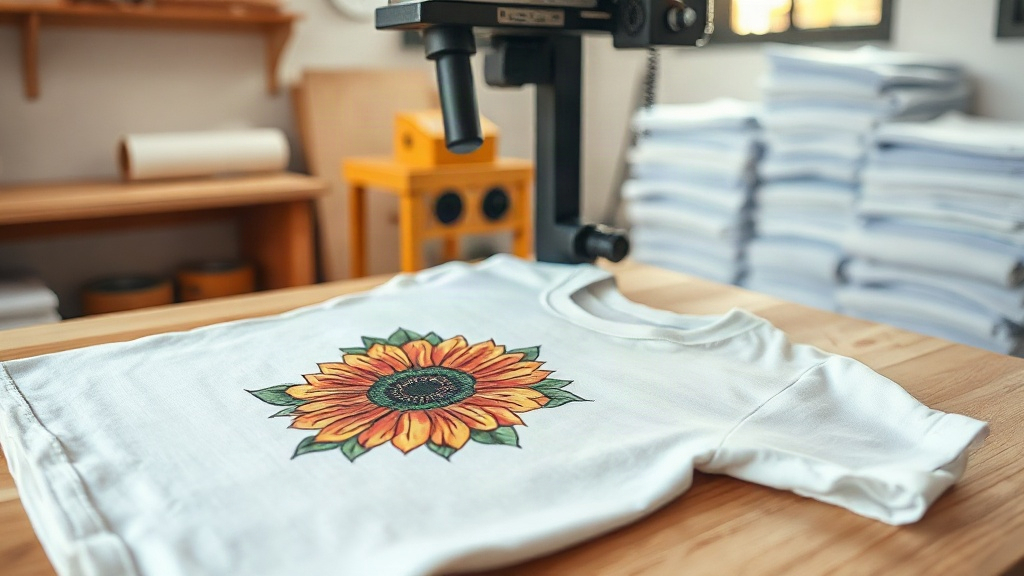
If you've been searching for a printing method that handles complex designs, works on almost any fabric, and doesn't require a second mortgage, DTF transfers might be exactly what you need. Unlike traditional screen printing or vinyl, DTF (Direct to Film) opens up possibilities for small businesses, crafters, and anyone who wants professional-looking custom apparel without the steep learning curve. In this guide, I'll walk you through what DTF transfers are, how they compare to other methods, and how to get flawless results every time.
What Are DTF Transfers?
DTF stands for Direct to Film. The process involves printing a design onto a special PET film using water-based inks, then coating it with a thermoplastic polyurethane (TPU) powder. Once the powder is cured, the transfer is ready to be applied to fabric using a heat press. The film is peeled away, leaving the design bonded to the garment.
What sets DTF transfers apart is their versatility. They can be used on cotton, polyester, blends, and even treated nylon. The prints are stretchy, vibrant, and durable, making them a favorite for t-shirts, hoodies, tote bags, and more. Whether you're printing a single custom piece or a small batch, DTF is a cost-effective solution.
Why Choose DTF Transfers Over Other Printing Methods?
You might be wondering how DTF stacks up against screen printing, heat transfer vinyl (HTV), or DTG (Direct to Garment). Here's a breakdown of the key advantages:
- No color limitations: DTF can print full-color, photographic designs with gradients and fine details. Screen printing requires separate screens for each color, which gets expensive fast.
- Works on multiple fabrics: Unlike DTG, which works best on 100% cotton, DTF adheres well to cotton, polyester, and blends. HTV is limited to simpler designs and can be time-consuming to weed.
- Low minimums: You can produce a single transfer or hundreds without setup fees. This is perfect for small businesses testing new designs.
- Durability: When applied correctly, DTF prints withstand dozens of washes without cracking or fading. They stretch with the fabric, so they won't feel stiff.
- Soft hand feel: Despite the powder adhesive, DTF transfers have a relatively soft feel, especially compared to vinyl.
Of course, DTF isn't perfect for every scenario. For very large orders of simple one-color designs, screen printing may still be more economical. But for intricate, multi-color designs on demand, DTF is hard to beat.
How to Apply DTF Transfers: Step-by-Step
Applying DTF transfers is straightforward, but getting a professional result requires attention to detail. Here's the process I follow:
- Preheat your heat press. Set the temperature to 300-325°F (150-160°C) for most fabrics. For polyester, use a lower temperature (around 280°F) to prevent scorching.
- Pre-press the garment. This removes moisture and wrinkles. Press for 5-10 seconds.
- Position the transfer. Place the DTF film on the garment with the printed side facing up. If your design has a white underbase, the film will look dull; that's normal.
- Press. Apply medium to firm pressure for 10-15 seconds. Use a Teflon sheet or parchment paper over the transfer to protect it.
- Peel. DTF transfers are typically cold peel, meaning you wait until the film cools down before peeling. Some newer films are hot peel; check your supplier's instructions.
- Post-press (optional). For extra durability, press again for 5 seconds with a Teflon sheet.
Always test on a scrap piece of fabric first, especially with blends. Different fabrics may require slight adjustments in temperature, pressure, or time.
Common Mistakes to Avoid with DTF Transfers
Even experienced crafters run into issues. Here are the most common pitfalls and how to sidestep them:
- Insufficient pressure: If the transfer doesn't adhere fully, it may peel off after washing. Make sure your press applies even, firm pressure.
- Wrong temperature: Too hot and the film may melt or the design may scorch. Too cold and the adhesive won't activate.
- Peeling too soon or too late: Follow the peel type (hot or cold) specified by the manufacturer. Peeling a cold-peel transfer while hot can cause the design to stretch or lift.
- Not pre-pressing: Moisture in the fabric can create steam and prevent proper adhesion. Always pre-press.
- Using the wrong film: Not all DTF films are created equal. Cheap films may not hold up. Invest in quality supplies from reputable sources.
Durability and Care: Making Your DTF Prints Last
One of the biggest questions I get is: how long do DTF transfers last? With proper application and care, they can easily outlive the garment. Here's how to maximize longevity:
- Wash inside out in cold water.
- Avoid bleach and fabric softeners, which can degrade the adhesive.
- Tumble dry low or hang dry.
- Iron on the reverse side only, never directly on the print.
Following these simple rules will keep your designs looking fresh for years. I've personally worn DTF-printed shirts weekly for over a year, and they still look great.
Is DTF Right for Your Business?
If you're a small business owner, Etsy seller, or someone who loves creating custom apparel, DTF transfers offer a low-barrier entry into high-quality printing. The startup costs are minimal compared to screen printing, and you can fulfill orders on demand without holding inventory. Plus, the ability to print full-color designs opens up creative freedom.
At theembroidered.com, we specialize in DTF transfers and other custom decoration methods. Whether you need a single sample or a bulk order, we're here to help you bring your designs to life.
Frequently Asked Questions
How do DTF transfers compare to screen printing for small orders?
For small orders, DTF is usually more cost-effective because there are no setup fees or minimums. Screen printing becomes cheaper per unit only at higher quantities (typically 50+ pieces) with simple designs.
Can I apply DTF transfers to dark and light fabrics?
Yes, DTF transfers work on both dark and light fabrics. The white underbase in the transfer ensures colors pop on dark garments, while on light fabrics, the underbase may be thinner or omitted.
What is the best temperature for pressing DTF transfers?
Most DTF transfers require 300-325°F (150-160°C) for 10-15 seconds. However, always check the instructions from your supplier, as some films have specific requirements.
Do DTF transfers crack or fade over time?
When applied correctly and cared for properly, DTF transfers are highly durable and resistant to cracking and fading. They can stretch with the fabric without losing integrity.
Can I use a home iron instead of a heat press?
While it's possible to use a home iron, achieving consistent pressure and temperature is difficult. A heat press is strongly recommended for professional results and durability.