
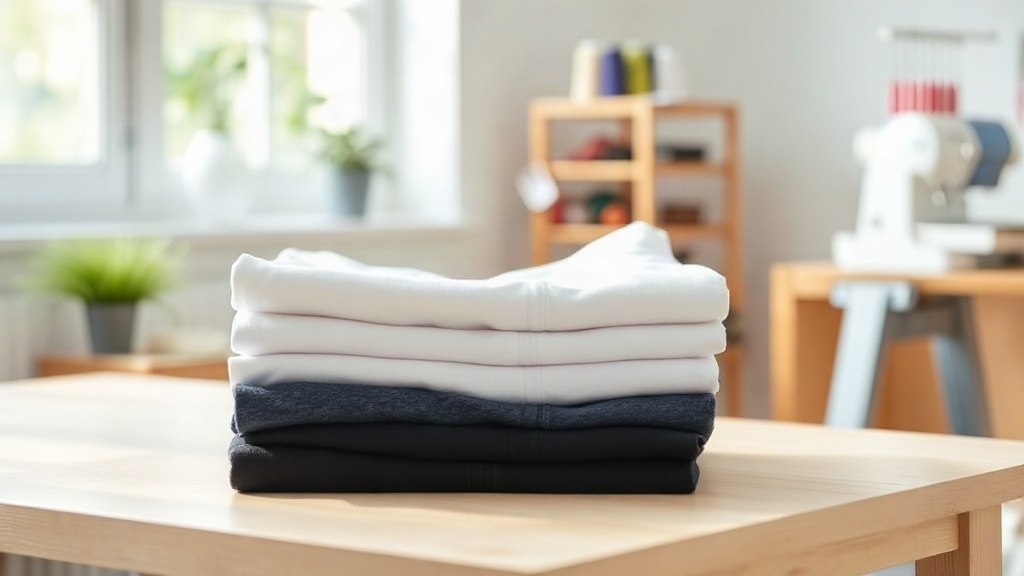
When you picture custom apparel, your mind probably jumps to the finished design: the crisp logo, the vibrant colors, the perfect placement. But the real magic starts long before the first stitch or screen pull. It starts with the smart blanks you choose. These undecorated garments are the canvas for your creativity, and picking the right one can mean the difference between a piece that looks professional and one that falls flat. In this article, we will explore what makes a blank smart, how to select the best options for embroidery and printing, and why this often-overlooked step is the secret to standout custom gear.
What Exactly Are Smart Blanks?
The term smart blanks refers to undecorated apparel items that are specifically engineered to work well with embellishment techniques. Unlike basic blanks that might be cheap and flimsy, smart blanks are chosen for their fabric quality, construction, and compatibility with embroidery, screen printing, DTG, or heat transfer. They are the foundation upon which your custom design is built, and they deserve as much attention as the design itself.
Think of it this way: a beautiful embroidery design on a poorly made shirt will pucker, sag, or feel uncomfortable. But the same design on a smart blank will look sharp, wear well, and feel great. Smart blanks are not just about the garment; they are about the entire decorating process. They often have tighter weave fabrics, stable stitching, and consistent sizing, all of which contribute to a flawless final product.
Why Smart Blanks Matter for Embroidery
Embroidery is a physical process. Needles pierce the fabric thousands of times, and if the blank is not up to the task, the result can be disastrous. Smart blanks for embroidery typically have a few key characteristics:
- Dense, stable fabric: A tight weave prevents the fabric from shifting during stitching, which reduces puckering and misalignment.
- Proper weight: Medium to heavy-weight fabrics (like 5.5 oz or higher for cotton) provide a solid base that supports the embroidery without sagging.
- Low shrinkage: Pre-shrunk or high-quality cotton blends minimize shrinkage after washing, keeping the embroidery looking crisp.
- Smooth surface: Fabrics with a smooth finish allow the embroidery to stand out without competing textures.
For example, a 100% ringspun cotton t-shirt with a tight knit is a classic smart blank for embroidery. It holds stitches well and feels soft against the skin. On the other hand, a loose-knit, lightweight polyester shirt might be comfortable, but it can struggle to support dense embroidery, leading to a disappointing result.
Smart Blanks for Printing: What to Look For
Printing techniques like screen printing, DTG (direct-to-garment), and heat transfer each have their own requirements for blanks. What works for embroidery might not work for printing, and vice versa. Here is how to choose smart blanks for different printing methods.
Screen Printing
Screen printing works best on fabrics with a smooth, flat surface. Cotton and cotton-poly blends are ideal because the ink sits on top of the fabric and cures properly. Smart blanks for screen printing often have a tight weave and are pre-shrunk to avoid distortion during the curing process. Avoid heavily textured fabrics or those with a high synthetic content, as the ink may not adhere well.
Direct-to-Garment (DTG)
DTG printing is popular for its ability to reproduce detailed, full-color designs. However, it requires blanks with a high cotton content (usually 100% cotton or a high cotton blend) and a smooth surface. The fabric must be pre-treated, and smart blanks for DTG are often those that are specifically designed for this process, with a tight weave that allows the ink to sit on the surface without bleeding. Ringspun cotton is a top choice here.
Heat Transfer
Heat transfer vinyl (HTV) and other heat-applied graphics work on a wide range of fabrics, but smart blanks for heat transfer should be able to withstand the heat of the press without scorching or melting. Natural fibers like cotton handle heat well, while some synthetics may require lower temperatures. Always check the blank's care label and test with a small piece before committing to a full run.
How to Evaluate a Blank Before You Buy
With so many options on the market, it helps to have a checklist. Here are the key factors to consider when evaluating potential smart blanks:
- Fabric content: Know what the garment is made of. Cotton, polyester, and blends each behave differently. For embroidery, natural fibers are generally more forgiving; for printing, blends can offer the best of both worlds.
- Weight and thickness: Heavier fabrics tend to be more durable and provide a better canvas for decoration. However, consider the intended use: a lightweight tee for summer might be preferable, but it may need extra stabilizer for embroidery.
- Colorfastness: Will the color fade after washing? Smart blanks are dyed to resist fading, so your design stays vibrant.
- Shrinkage: Pre-shrunk blanks save you from nasty surprises after the first wash. If not pre-shrunk, factor in potential shrinkage when sizing.
- Stitching and construction: Look for clean seams, reinforced stress points, and consistent sizing across the batch. These details affect how the garment wears and how the decoration holds up.
- Supplier reputation: Brands like Bella+Canvas, Next Level, and Gildan are known for consistent quality. Reading reviews and requesting samples can save you from costly mistakes.
Taking the time to evaluate these factors will help you avoid the frustration of ruined designs and unhappy customers. Remember, the blank is not just a backdrop; it is an integral part of the final product.
Matching Blanks to Your Project
Not all projects call for the same blank. A corporate polo shirt for embroidery has different requirements than a lightweight festival tee for screen printing. Here are some common scenarios and the smart blanks that work best:
- Corporate uniforms: Choose durable, wrinkle-resistant blends that hold embroidery well, such as 60/40 cotton-poly polos. These look professional and withstand frequent washing.
- Retail merchandise: Soft, ringspun cotton tees with a modern fit are popular for screen printing and DTG. They feel great and take prints beautifully.
- Promotional giveaways: Budget-friendly options like 100% cotton tees or blends that accept one-color prints are ideal. Just ensure they are comfortable enough to be worn again.
- Athletic wear: Performance fabrics with moisture-wicking properties are great for heat transfer or sublimation, but may require special stabilizers for embroidery.
By aligning your blank choice with the end use, you ensure that the decorated garment not only looks good but also functions as intended.
Common Mistakes to Avoid with Smart Blanks
Even experienced decorators can slip up when selecting blanks. Here are a few pitfalls to watch for:
- Ignoring fabric content: Assuming all cotton is the same can lead to surprises. Ringspun cotton behaves differently from carded open-end cotton.
- Overlooking shrinkage: If you are printing a large order, shrinkage can throw off sizing. Always pre-shrink or account for it.
- Using the wrong blank for the technique: Trying to embroider a delicate fabric or DTG print on a 50/50 blend may not yield the desired results.
- Skimping on quality: Saving a few cents per blank might seem wise, but poor quality can lead to returns and damaged reputation.
- Not testing: Always run a sample before a big order. What works in theory might not work in practice.
Steering clear of these mistakes will put you on the path to consistently excellent results.
Frequently Asked Questions About Smart Blanks
What is the best fabric for embroidery on smart blanks?
Natural fibers like 100% cotton or cotton-rich blends are generally best for embroidery. They have enough structure to support stitches without stretching or puckering. However, stable synthetics like polyester can also work if they are tightly woven and paired with the right stabilizer.
Can I use smart blanks for both embroidery and printing?
Yes, many smart blanks are versatile enough for both. For example, a ringspun cotton t-shirt works well for embroidery and screen printing. Just ensure the fabric weight and weave are suitable for your chosen technique. Always test first.
How do I prevent shrinkage in smart blanks?
Choose pre-shrunk blanks whenever possible. If you are working with blanks that may shrink, wash and dry them before decorating, or factor in a shrinkage allowance when ordering. Following the manufacturer's care instructions also helps.
Are expensive blanks always better?
Not necessarily. Price often reflects brand, fabric quality, and construction, but you can find affordable smart blanks that perform well. Focus on the specific needs of your project rather than the price tag alone. Reading reviews and requesting samples will guide you.
What should I look for in a blank for DTG printing?
For DTG, look for 100% cotton or high-cotton blends with a smooth, tight weave. The fabric should be pre-treated for best results. Ringspun cotton is a popular choice because it provides a smooth surface for the ink to adhere to.
Choosing the right smart blanks is a skill that develops with experience. By understanding the interplay between fabric, decoration technique, and end use, you can elevate your custom apparel from ordinary to extraordinary. Whether you are a small business owner, a hobbyist, or a professional decorator, investing time in selecting the best blanks will pay off in satisfied customers and a stellar reputation.