
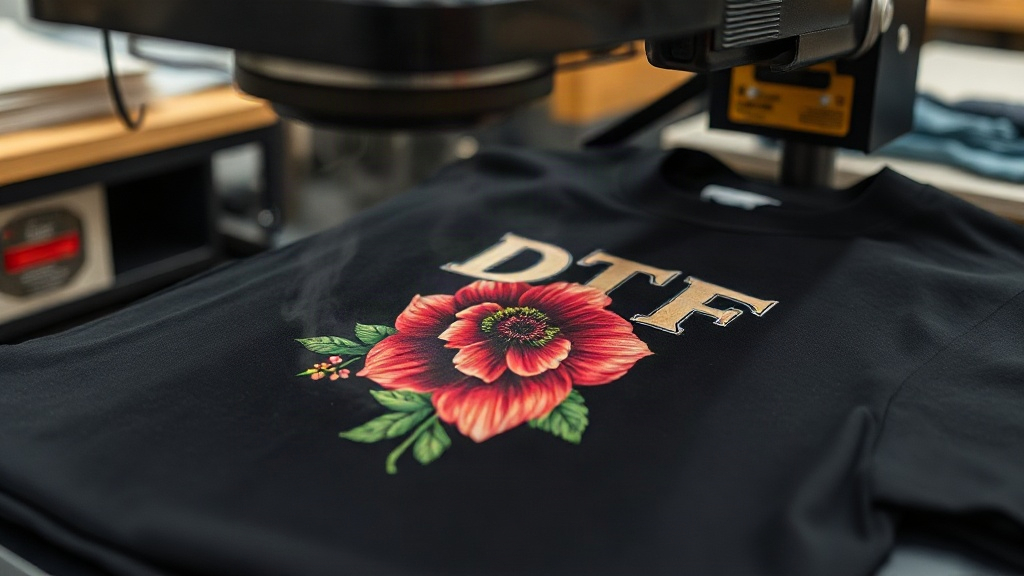
If you're in the custom apparel business, you've likely heard about DTF transfers. This innovative printing method has taken the industry by storm, offering vibrant colors and exceptional durability on a wide range of fabrics. In this guide, we'll explore what DTF transfers are, how they work, and why they might be the perfect solution for your next project.
What Are DTF Transfers?
DTF stands for Direct to Film. It's a printing technology where your design is printed onto a special PET film using water-based inks, then coated with a thermoplastic powder that acts as an adhesive. When heat-pressed, the design bonds permanently to the fabric. Unlike DTG (Direct to Garment), DTF transfers can be applied to almost any fabric, including cotton, polyester, blends, and even leather. This versatility makes them a favorite among small businesses and hobbyists alike.
Why Choose DTF Transfers?
There are several compelling reasons to consider DTF transfers for your custom apparel:
- Vibrant Colors: DTF transfers produce bright, opaque colors that stand out, even on dark garments.
- Fabric Versatility: Works on cotton, polyester, blends, leather, and more.
- Durability: When applied correctly, DTF transfers resist cracking, peeling, and fading after multiple washes.
- No Weeding: Unlike vinyl, there's no tedious weeding process, saving you time and labor.
- Cost-Effective: Low setup costs make DTF ideal for small batches and one-off designs.
How to Apply DTF Transfers
Applying DTF transfers is straightforward, but following the right steps ensures a professional finish. Here's a step-by-step guide:
- Preheat Your Heat Press: Set the temperature to 325°F (160°C) and preheat for a few seconds to remove moisture.
- Position the Transfer: Place the DTF transfer film onto the garment with the printed side facing up.
- Press: Apply medium pressure for 10-15 seconds.
- Peel: Wait for the transfer to cool completely (cold peel) before removing the film. This ensures the design adheres fully.
- Post-Press: For added durability, cover with a Teflon sheet and press again for 5-10 seconds.
Common Mistakes to Avoid
Even with a simple process, some pitfalls can ruin your results. Watch out for these:
- Insufficient Pressure: Too little pressure prevents proper adhesion.
- Wrong Temperature: Too hot can scorch the fabric; too cool won't melt the adhesive.
- Peeling Too Soon: Always cold peel for DTF transfers.
- Ignoring Fabric Type: Adjust settings for different materials.
DTF vs. Other Printing Methods
How does DTF stack up against DTG, screen printing, and vinyl? Here's a quick comparison:
- DTF vs. DTG: DTF works on more fabrics and produces more vibrant colors on dark shirts; DTG is limited to cotton and requires pre-treatment.
- DTF vs. Screen Printing: Screen printing is cost-effective for large orders but has setup costs; DTF wins for small batches and complex designs.
- DTF vs. Vinyl: Vinyl requires weeding and layering; DTF is a single-step process with full-color capabilities.
Frequently Asked Questions
How long do DTF transfers last?
With proper application and care, DTF transfers can last as long as the garment itself. They withstand 50+ washes without significant fading or cracking.
Can I use DTF transfers on polyester?
Yes! DTF transfers work beautifully on polyester and polyester blends. Just adjust the heat press settings to avoid scorching.
Do I need a special printer for DTF transfers?
You can purchase pre-printed DTF transfers from suppliers or invest in a DTF printer setup. For beginners, buying transfers is more cost-effective.
What is the best way to store DTF transfers?
Store them in a cool, dry place away from direct sunlight. Keep them flat to prevent creasing.
DTF transfers offer a winning combination of versatility, vibrancy, and durability. Whether you're a small business owner or a DIY enthusiast, incorporating DTF into your workflow can elevate your custom apparel game. Give it a try and see the difference for yourself!