
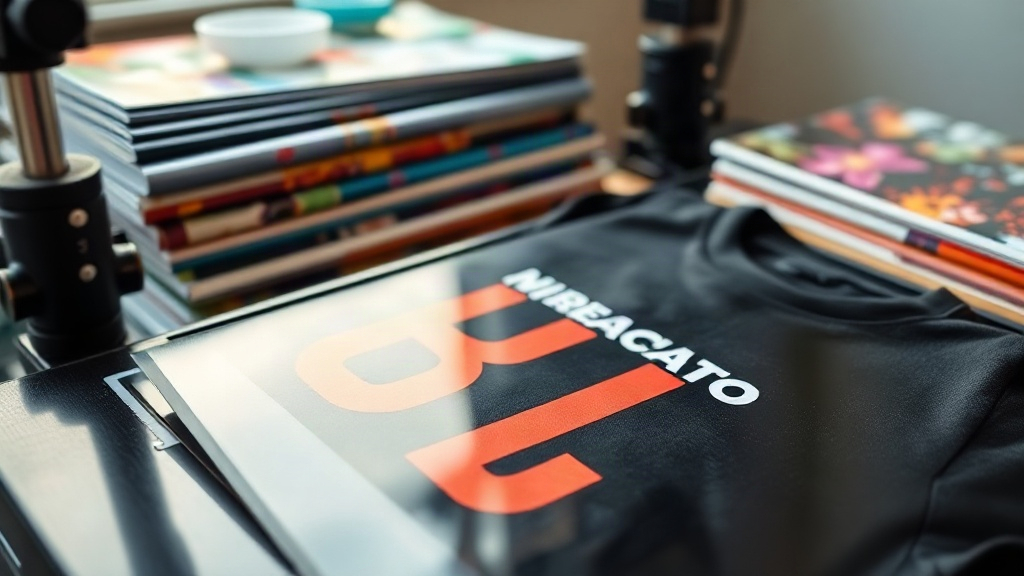
If you have ever admired a custom t-shirt with intricate, full-color artwork and wondered how it was made, chances are it involved DTF transfers. This printing method has taken the garment decoration world by storm, and for good reason. Unlike traditional techniques that require specific fabrics or complicated setups, DTF transfers offer a versatile, accessible way to bring vibrant designs to life on almost any material.
Whether you are a small business owner looking to expand your product line, a hobbyist wanting to personalize gifts, or simply curious about the latest in apparel decoration, understanding DTF transfers can open up a world of creative possibilities. In this guide, we will walk you through everything you need to know, from the science behind the process to practical tips for flawless application.
What Are DTF Transfers?
DTF stands for Direct to Film. It is a printing technique where your design is printed onto a special transfer film using a DTF printer, then coated with a hot-melt adhesive powder. Once the powder is cured, the transfer is ready to be applied to fabric using a heat press. The magic lies in the adhesive: when heated, it bonds the printed design to the fabric, creating a durable, stretchable, and vibrant print.
Unlike DTG (Direct to Garment) printing, which prints directly onto the fabric, DTF transfers are printed onto a film first. This extra step might seem like a drawback, but it actually provides significant advantages, especially for those who want to print on a variety of fabrics without investing in multiple printing systems.
Why Choose DTF Transfers?
The popularity of DTF transfers has skyrocketed because they solve several common problems in garment decoration. Here are the key benefits:
- Fabric versatility: DTF transfers work on cotton, polyester, blends, and even some synthetic materials like nylon. This is a game-changer for those who want to print on performance wear or dark garments without worrying about dye migration.
- No pre-treatment required: Unlike DTG printing, DTF transfers do not require you to pre-treat the fabric. This saves time, money, and avoids the mess of spraying chemicals.
- Vibrant colors and fine details: DTF printers use CMYK plus white ink, allowing for bright, opaque prints on both light and dark fabrics. The white ink layer ensures that colors pop, and fine details like small text or gradients are reproduced accurately.
- Durability: When applied correctly, DTF transfers are highly durable. They withstand repeated washing without cracking, peeling, or fading. The stretchability of the adhesive also means the print moves with the fabric, making it ideal for stretchy materials.
- Cost-effective for small batches: Setting up screen printing for a small order can be expensive due to setup costs. DTF transfers are cost-effective for short runs and one-off items, as there are no minimum order quantities.
How DTF Transfers Are Made
Understanding the production process can help you appreciate the technology and troubleshoot issues. Here is a simplified breakdown:
- Design preparation: Your artwork is prepared in graphic software, ensuring it is in the correct color mode (usually CMYK) and at the desired resolution. The design is then printed onto a special PET film using a DTF printer.
- Powder application: While the ink is still wet, a fine hot-melt adhesive powder is sprinkled over the print. The excess powder is shaken off, leaving a thin, even layer adhering to the ink.
- Curing: The film with the powder is then heated, usually in a curing oven or under a heat press, to melt the powder and create a smooth, dry adhesive layer. This step is crucial for the transfer's durability.
- Transfer application: The cured transfer is placed onto the fabric and pressed with a heat press at a specific temperature and pressure for a set time. After pressing, the film is peeled away (hot or cold peel, depending on the film type), leaving the design bonded to the fabric.
Choosing the Right DTF Transfer for Your Project
Not all DTF transfers are created equal. When selecting transfers for your business or personal use, consider these factors:
Film Type
There are two main types of DTF film: hot peel and cold peel. Hot peel films allow you to remove the film immediately after pressing while it's still hot, which speeds up production. Cold peel films require you to wait until the transfer cools down before peeling, often resulting in a smoother finish. The choice depends on your workflow and the desired effect.
Ink and Powder Quality
The quality of the ink and adhesive powder directly impacts the vibrancy and washability of the final print. Cheaper inks may fade quickly, and low-quality powder can lead to poor adhesion. Investing in reputable supplies ensures a professional outcome.
Size and Placement
DTF transfers can be produced in various sizes, from small logos to large full-back prints. When placing the transfer, consider the fabric's stretch and the design's orientation. For stretchy fabrics, you may need to pre-stretch the garment slightly before pressing to avoid cracking later.
Step-by-Step Guide to Applying DTF Transfers
Applying DTF transfers is straightforward, but following the correct steps is essential for a professional finish. Here is a detailed process:
- Preheat your heat press: Set the temperature according to the transfer manufacturer's recommendations, typically between 300°F and 325°F (150°C to 160°C).
- Pre-press the garment: This removes moisture and wrinkles, ensuring a smooth surface for the transfer. Press for 5-10 seconds.
- Position the transfer: Place the DTF transfer on the garment with the printed side facing up. If your transfer has a backing film, ensure it is on top.
- Press: Apply medium to firm pressure for 10-15 seconds. The exact time can vary, so always check the instructions provided with your transfers.
- Peel the film: For hot peel, remove the film immediately while it's hot. For cold peel, wait until it cools down completely before peeling. Peel in a smooth, consistent motion.
- Post-press (optional): Some recommend a second press for a few seconds with a cover sheet to further embed the print and improve durability.
After application, allow the garment to rest for at least 24 hours before washing. Wash inside out in cold water and avoid bleach or fabric softeners to extend the life of the print.
Common Mistakes to Avoid
Even with the best materials, mistakes can happen. Here are some pitfalls to watch out for:
- Insufficient pressure: Without enough pressure, the adhesive may not bond properly, leading to peeling. Adjust your heat press to ensure even, firm pressure.
- Wrong temperature: Too low, and the adhesive won't activate; too high, and you risk scorching the fabric or the film. Always follow the recommended settings.
- Peeling at the wrong time: Using a hot peel film as a cold peel (or vice versa) can ruin the transfer. Know your film type.
- Not pre-pressing: Skipping the pre-press can trap moisture, causing the print to blister or fail to adhere.
DTF Transfers vs. Other Printing Methods
How do DTF transfers stack up against other popular methods? Here is a quick comparison:
- DTF vs. DTG: DTG requires pre-treatment and works best on 100% cotton. DTF works on more fabrics and doesn't need pre-treatment, but the hand feel (how the print feels to the touch) can be slightly thicker.
- DTF vs. Screen Printing: Screen printing is cost-effective for large orders but has setup costs and limited colors per screen. DTF is better for small batches and full-color designs.
- DTF vs. Vinyl: Heat transfer vinyl (HTV) is great for simple, single-color designs but cannot handle complex gradients or fine details. DTF excels at intricate, multi-color artwork.
Frequently Asked Questions About DTF Transfers
How long do DTF transfers last?
With proper application and care, DTF transfers can last as long as the garment itself. They are resistant to cracking and fading, but washing inside out in cold water and avoiding high heat in the dryer will maximize longevity.
Can I use DTF transfers on dark fabrics?
Yes, DTF transfers are ideal for dark fabrics because they include a white ink layer that makes colors opaque. This is a major advantage over DTG, which may require a white underbase.
Do I need a special printer to make DTF transfers?
Yes, you need a DTF printer that uses pigment inks and white ink, along with a powder shaker and curing oven. However, you can also purchase pre-made DTF transfers from suppliers if you don't want to invest in the equipment.
What is the best temperature for pressing DTF transfers?
Most DTF transfers require a temperature between 300°F and 325°F (150°C to 160°C). However, always check the specific instructions from your transfer supplier, as formulations can vary.
Can DTF transfers be stretched?
Yes, DTF transfers are stretchable and can be applied to stretchy fabrics like spandex and lycra. However, the fabric should not be stretched during application, and the print may still crack if stretched excessively.
DTF transfers have revolutionized the way we decorate apparel, offering unmatched versatility and quality. Whether you are just starting out or looking to expand your offerings, mastering DTF transfers can set you apart in the competitive custom apparel market. With the right knowledge and tools, you can achieve professional results that delight your customers and elevate your brand.