
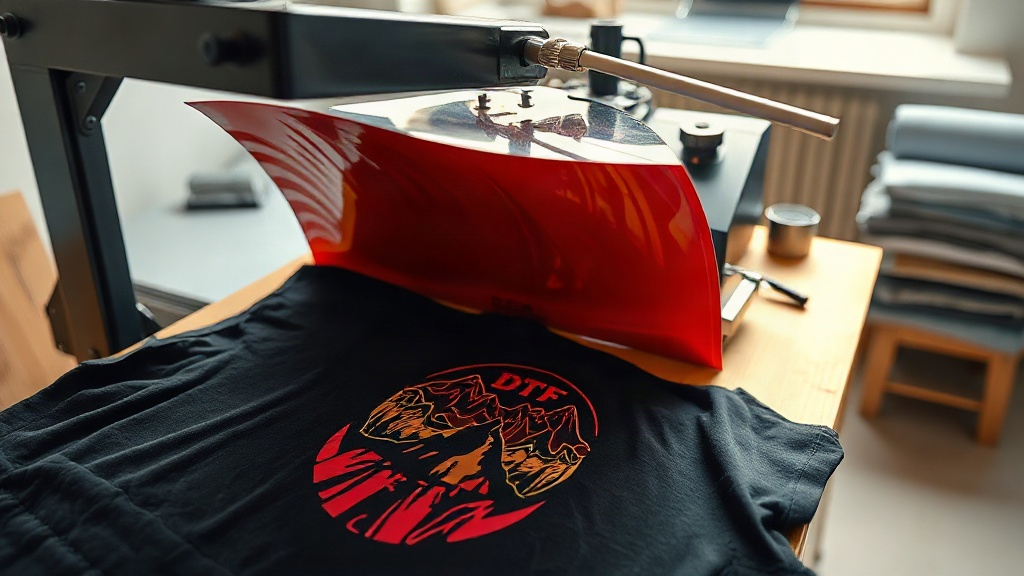
When it comes to custom apparel, DTF transfers have become a game-changer for both small businesses and DIY enthusiasts. Unlike traditional methods that require multiple steps and specialized equipment, DTF transfers offer a streamlined, cost-effective way to produce vibrant, durable designs on a wide range of fabrics. Whether you're running a print shop or creating one-off pieces, understanding DTF transfers can elevate your offerings and simplify your workflow.
What Are DTF Transfers?
DTF stands for Direct to Film. It's a printing technology where your design is printed onto a special film, coated with a thermoplastic adhesive powder, and then heat-pressed onto the fabric. The result is a soft, stretchable print that bonds permanently to the material. Unlike DTG (Direct to Garment) or screen printing, DTF transfers don't require pre-treatment of the fabric, and they work on cotton, polyester, blends, and even nylon. This versatility makes them a favorite for custom t-shirts, hoodies, tote bags, and more.
Why Choose DTF Transfers for Your Custom Apparel?
There are several reasons why DTF transfers have gained popularity in the custom apparel industry. Here are the key benefits:
- No color limitations: DTF transfers can reproduce full-color designs with gradients, fine details, and photographs without the need for color separation.
- Works on multiple fabrics: From 100% cotton to polyester and blends, DTF transfers adhere well to most materials.
- Durability: When applied correctly, DTF prints withstand repeated washing without cracking, peeling, or fading.
- Cost-effective for short runs: Unlike screen printing, which requires setup costs per color, DTF transfers are economical for small batches and one-offs.
- Soft feel: The prints are thin and flexible, making them comfortable to wear.
How to Apply DTF Transfers: Step-by-Step
Applying DTF transfers is straightforward, but following the correct steps ensures a professional, long-lasting result. Here's a detailed guide:
1. Prepare Your Workspace and Materials
You'll need a heat press, your DTF transfer, the garment, and a protective sheet (like parchment paper or Teflon sheet). Ensure your heat press is set to the recommended temperature (usually 300-325°F or 150-160°C) and pressure (medium to firm). Pre-press the garment for a few seconds to remove moisture and wrinkles.
2. Position the Transfer
Place the DTF transfer on the garment with the printed side facing up. The adhesive side should be against the fabric. If you're unsure, the film backing is usually matte, while the printed side is vibrant. Position it exactly where you want the design.
3. Apply Heat and Pressure
Cover the transfer with a protective sheet. Press down with medium to firm pressure for 15-20 seconds. Avoid moving the transfer during pressing. If your heat press has a digital timer, use it for consistency.
4. Peel the Film
DTF transfers are typically cold peel or warm peel. Check your supplier's instructions. For cold peel, wait until the transfer cools completely before peeling off the film. For warm peel, remove it while still warm. Peel slowly and at a low angle to prevent the design from lifting.
5. Post-Press for Durability
After peeling, cover the design with the protective sheet again and press for an additional 5-10 seconds. This step ensures the adhesive fully bonds with the fabric, enhancing washability.
Common Mistakes to Avoid with DTF Transfers
Even though DTF transfers are forgiving, some errors can ruin your results. Here are pitfalls to watch out for:
- Insufficient pressure: If the pressure is too low, the transfer won't adhere properly, leading to early peeling.
- Wrong temperature: Too hot and the film may melt or the design may scorch; too cold and the adhesive won't activate.
- Peeling too soon or too late: Follow the recommended peel type. Peeling a cold-peel transfer while hot can cause the design to stretch or tear.
- Not pre-pressing: Moisture in the fabric can create steam pockets, preventing proper adhesion.
- Using outdated film: Always store DTF transfers in a cool, dry place and use them within the recommended timeframe.
DTF Transfers vs. Other Printing Methods
How do DTF transfers stack up against other popular printing techniques? Let's compare:
DTF vs. DTG
DTG (Direct to Garment) prints directly onto the fabric, which works best on 100% cotton. DTF transfers, on the other hand, can be applied to a wider range of fabrics and often produce more vibrant colors on dark garments. DTF also doesn't require pre-treatment, saving time.
DTF vs. Screen Printing
Screen printing is cost-effective for large orders but requires separate screens for each color and has setup costs. DTF transfers excel for small runs and complex designs with many colors. However, for very large orders, screen printing may be more economical per unit.
DTF vs. Vinyl
Heat transfer vinyl (HTV) is great for simple, single-color designs but can't handle intricate details or gradients. DTF transfers can reproduce full-color images and are generally more durable than HTV, especially after multiple washes.
Tips for Long-Lasting DTF Prints
To ensure your DTF transfers stand the test of time, follow these care tips:
- Wait 24 hours before washing the garment to allow the adhesive to fully cure.
- Wash inside out in cold water on a gentle cycle.
- Avoid using fabric softener or bleach, as they can degrade the print.
- Tumble dry on low heat or hang dry. High heat can cause cracking.
- Iron on the reverse side or use a pressing cloth if needed.
Frequently Asked Questions About DTF Transfers
Can I use DTF transfers on dark-colored garments?
Absolutely! DTF transfers include a white ink layer that makes colors pop on dark fabrics. This is one of their biggest advantages over DTG printing, which may require a white underbase for dark shirts.
How long do DTF transfers last?
With proper application and care, DTF transfers can last as long as the garment itself. They are resistant to cracking, peeling, and fading, often outlasting other decoration methods.
Do I need a special printer for DTF transfers?
Yes, DTF printing requires a dedicated DTF printer that uses special inks and film. However, you can also purchase pre-printed DTF transfers from suppliers if you don't want to invest in the equipment.
What fabrics work best with DTF transfers?
DTF transfers adhere well to cotton, polyester, cotton-poly blends, and even some synthetic fabrics like nylon. They are not recommended for fabrics with a heavy waterproof coating.
Can I stretch DTF prints?
DTF transfers have some stretchability, but they are not as elastic as the fabric itself. For stretchy fabrics like spandex, consider designs that won't be stretched excessively. Proper application ensures the print moves with the fabric to some degree.
Final Thoughts
DTF transfers are revolutionizing the custom apparel industry with their versatility, durability, and ease of use. Whether you're a seasoned printer or just starting, incorporating DTF transfers into your workflow can open up new possibilities for creative designs on a wide range of garments. Remember to follow the application steps carefully and maintain your prints with proper care to enjoy long-lasting results. If you're looking to offer high-quality custom apparel, DTF transfers are a smart choice.