
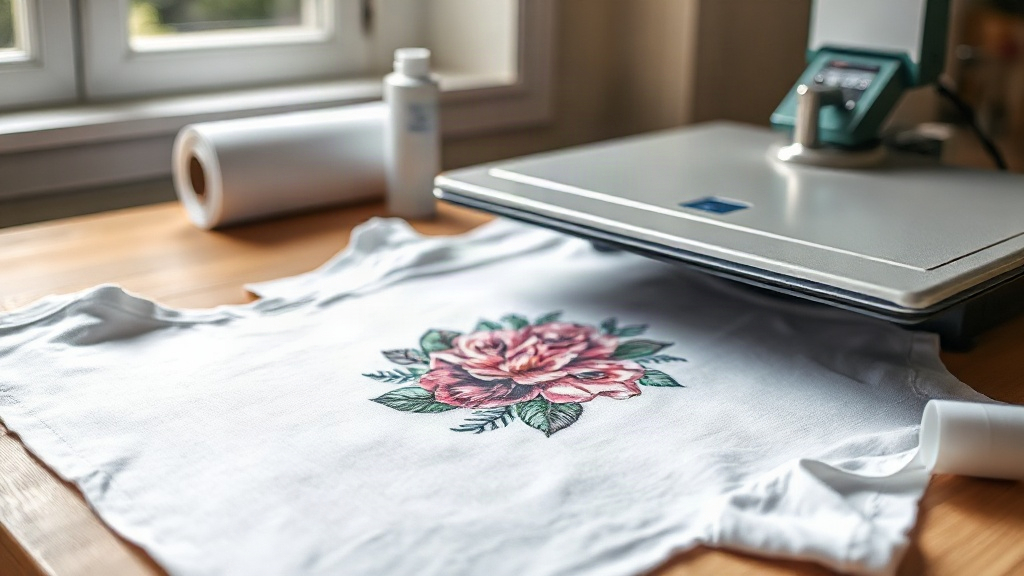
Imagine pressing a vivid, full-color design onto a cotton t-shirt or a nylon jacket in minutes, without the hassle of weeding or the limitations of traditional vinyl. That's the promise of DTF transfers, a technology that has rapidly become a favorite among crafters, small business owners, and professional decorators alike. Whether you're running a custom apparel shop or just want to personalize gifts, understanding DTF transfers can open up a world of creative possibilities.
What Are DTF Transfers?
DTF stands for Direct-to-Film. It's a printing method where your design is printed onto a special PET film using water-based inks, then coated with a hot-melt adhesive powder. Once the powder is cured, the transfer is ready to be applied to fabric using a heat press. The result is a soft, stretchable, and incredibly durable print that bonds to the fabric fibers.
Unlike DTG (Direct-to-Garment) printing, which requires pretreating and works best on cotton, DTF transfers can be applied to almost any fabric: cotton, polyester, blends, nylon, leather, and even denim. This versatility makes them a game-changer for anyone who works with diverse materials.
How DTF Transfers Work: Step by Step
Understanding the process helps you appreciate the magic behind DTF transfers. Here's a breakdown of the key steps:
- Design Preparation: Create your artwork in a graphic design software. Ensure it's mirrored (flipped horizontally) before printing, as the film will be pressed face-down onto the fabric.
- Printing: A DTF printer lays down CMYK inks followed by a white ink layer onto the PET film. The white layer acts as a base, making colors pop on dark fabrics.
- Powdering: While the ink is still wet, a hot-melt adhesive powder is sprinkled over the print. The excess powder is shaken off, leaving a thin, even layer.
- Curing: The film goes through a curing oven or under a heat press to melt the powder, creating a smooth, dry surface. This step is crucial for durability.
- Transfer Application: The cured film is placed on the garment and pressed with a heat press at around 300-325°F for 10-15 seconds. After pressing, the film is peeled off (hot or cold peel, depending on the film type), leaving the design adhered to the fabric.
Why Choose DTF Transfers Over Other Methods?
DTF transfers have several advantages that set them apart from screen printing, vinyl, and DTG. Here are the main benefits:
- No Weeding or Cutting: Unlike vinyl, you don't need to cut around intricate designs or weed out tiny pieces. This saves hours of labor, especially for complex artwork.
- Full-Color and Photorealistic Prints: DTF can reproduce gradients, fine details, and photographs with stunning accuracy.
- Works on Almost Any Fabric: From 100% cotton to polyester, blends, and even treated leather, DTF adheres well. No need for multiple transfer types.
- Durability: When applied correctly, DTF prints withstand repeated washing without cracking, peeling, or fading. They stretch with the fabric, making them ideal for activewear.
- Cost-Effective for Short Runs: No setup fees or minimums, making DTF perfect for one-off items or small batches.
However, DTF isn't without its nuances. The feel of the print is slightly thicker than DTG, and proper curing is essential to avoid washing off. But with practice, these are easily managed.
Choosing the Right DTF Film and Powder
Not all DTF supplies are created equal. The film and powder you choose significantly affect the final result. Here's what to look for:
DTF Film
Quality film should be coated evenly to hold ink without smudging. It comes in rolls or sheets, with a matte or glossy side. The matte side is printable. Thickness matters: thinner films (75-100 microns) conform better to fabric textures and feel softer. Thicker films (100-125 microns) are more durable but may feel stiffer. Always check compatibility with your printer.
DTF Powder
The adhesive powder is typically TPU-based. Finer powders (80-170 microns) create a smoother finish and are less visible on the fabric. Coarser powders (170-250 microns) provide stronger adhesion but can feel grainier. For stretchy fabrics, look for flexible powders that won't crack. Store powder in a dry container to prevent clumping.
Step-by-Step Application Tips for Perfect Results
Even with high-quality supplies, technique matters. Follow these tips to ensure your DTF transfers look professional every time:
- Prepress the Garment: This removes moisture and wrinkles, creating a smooth surface for adhesion.
- Use the Right Pressure: Medium to high pressure is needed to embed the adhesive into the fabric. Too little pressure causes peeling.
- Temperature and Time: Typically 300-325°F for 10-15 seconds. Always follow the film manufacturer's recommendations.
- Peel Technique: Some films require hot peel (immediately after pressing), others cold peel (wait until cool). Test a small piece first.
- Post-Press for Durability: After peeling, press again for 5-10 seconds with a Teflon sheet or parchment paper to smooth the print and enhance washability.
- Wash Care: Wait 24 hours before washing. Turn garment inside out, use cold water, and avoid bleach or fabric softeners. Tumble dry low or hang dry.
Common Challenges and How to Overcome Them
Like any craft, DTF printing has a learning curve. Here are some common issues and solutions:
Ink Cracking or Fading After Wash
This usually indicates under-curing or insufficient pressure. Ensure your powder is fully melted (it should look glossy, not matte) and increase pressure if needed. Also, verify that your heat press is calibrated; an infrared thermometer can help.
Adhesive Residue on Film
If you see leftover powder on the film after peeling, you might be over-powdering or under-curing. Shake off excess powder more thoroughly and extend curing time slightly.
Stiff or Rubbery Feel
Using too much powder or a thick film can cause this. Switch to a finer powder and thinner film. Also, avoid over-pressing, which can melt the adhesive into the fabric too deeply.
DTF Transfers vs. Other Decoration Methods
How does DTF stack up against screen printing, vinyl, and DTG? Here's a quick comparison:
- Screen Printing: Best for large orders with few colors. DTF wins for complex designs and small batches.
- Vinyl (HTV): Good for simple text and shapes. DTF excels with detailed, multi-color graphics and no weeding.
- DTG: Ideal for 100% cotton and soft-hand feel. DTF offers broader fabric compatibility and brighter colors on dark garments.
Ultimately, DTF fills a niche where versatility and detail are paramount.
Frequently Asked Questions About DTF Transfers
Can I use DTF transfers on 100% polyester?
Yes, DTF transfers work well on polyester. However, polyester is heat-sensitive, so use a lower temperature (around 280-300°F) and shorter pressing time to avoid scorching or dye migration. Always test on a scrap piece first.
How long do DTF transfers last?
With proper application and care, DTF prints can last as long as the garment itself, often 50+ washes. The key is correct curing and following wash instructions. Avoid ironing directly on the print.
Do I need a special printer for DTF?
You can convert a standard inkjet printer (like an Epson EcoTank) to use DTF inks with a DTF conversion kit, or buy a dedicated DTF printer. Dedicated printers offer better reliability and white ink circulation, but conversions are a budget-friendly start.
What's the difference between hot peel and cold peel DTF film?
Hot peel film is peeled immediately after pressing while still hot, saving time. Cold peel film must cool completely before peeling, which can yield a smoother finish. The choice depends on the film brand and your workflow.
Can I layer DTF transfers?
Yes, you can layer DTF transfers for multi-color designs, but it's tricky. Press the first layer for a few seconds, peel, then apply the second layer. Use a Teflon sheet to protect the first layer. Alternatively, print the entire design as one transfer.
DTF transfers have democratized custom apparel decoration, making it accessible to hobbyists and professionals alike. With the right supplies and a bit of practice, you can achieve stunning, durable results on virtually any fabric. So why not give it a try? Your imagination is the only limit.