
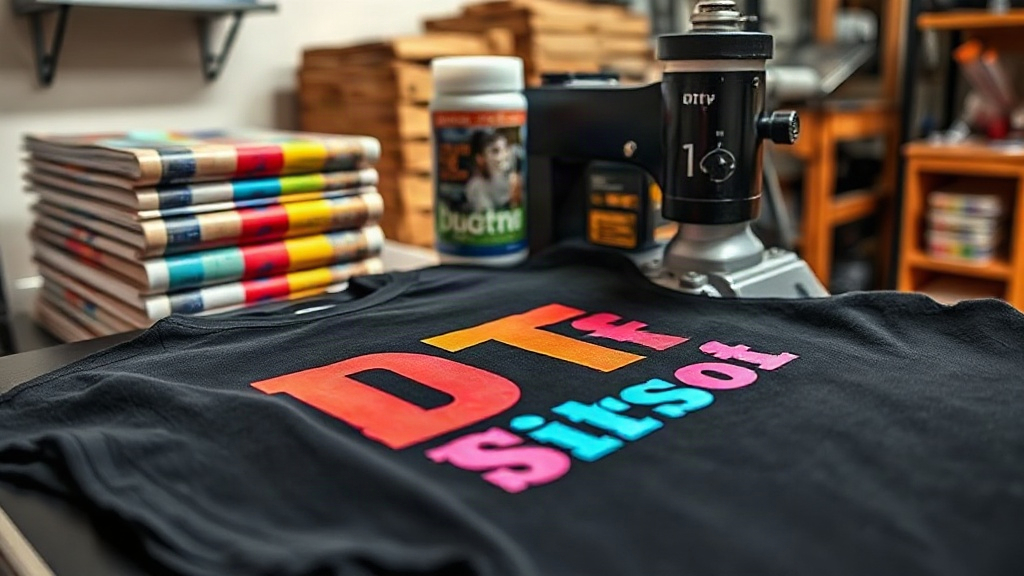
Imagine pressing a vibrant, full-color design onto a dark cotton t-shirt without worrying about weeding or layered vinyl. That's the magic of DTF transfers. In the custom apparel world, Direct-to-Film printing has quickly become a go-to method for creators and small businesses alike. Whether you're a seasoned screen printer or a hobbyist looking to expand your offerings, understanding DTF transfers can open up a new realm of possibilities.
What Are DTF Transfers?
DTF stands for Direct-to-Film. It's a printing technique where your design is printed onto a special PET film using water-based inks, then coated with a hot-melt adhesive powder. Once the powder is cured, the transfer is ready to be heat-pressed onto fabric. The result? A soft, stretchable, and durable print that adheres to a wide range of materials, including cotton, polyester, blends, and even leather.
Unlike DTG (Direct-to-Garment) printing, which requires the garment to be pre-treated and printed directly, DTF transfers are printed separately and then applied. This decoupling offers flexibility: you can print transfers in bulk and store them until needed, or even ship them to customers who can apply them at home.
How DTF Transfers Work: Step by Step
Let's break down the DTF process from start to finish.
1. Design Preparation
Everything starts with your artwork. You'll need a digital file, typically in PNG or TIFF format with a transparent background. The design is printed in reverse (mirrored) onto the film, so keep that in mind. Most DTF printers use CMYK plus white ink, which allows for vibrant colors on both light and dark garments.
2. Printing onto Film
The printer lays down a layer of white ink first (if printing on dark fabric) followed by the color layers. This white base acts as an opaque foundation, ensuring the colors pop. The film is then passed through a powder shaker that evenly coats the wet ink with hot-melt adhesive powder.
3. Curing the Powder
Excess powder is shaken off, and the film goes through a curing oven or under a heat source to melt the powder into a smooth, gel-like layer. This step is crucial: under-curing leads to poor adhesion, while over-curing can cause the powder to become brittle.
4. Heat Press Application
Once cured, the transfer is ready to apply. You'll preheat your heat press to around 300-325°F (150-160°C) and press the transfer onto the garment for 10-15 seconds with medium pressure. After pressing, you peel the film off while it's still hot (or cold, depending on the film type). The design remains on the fabric, and the film is discarded.
Why Choose DTF Transfers?
DTF transfers have gained massive popularity for several compelling reasons.
- No Weeding or Masking: Unlike vinyl, there's no tedious weeding process. You print, powder, cure, and press.
- Full-Color and Photographic Designs: DTF can reproduce intricate details, gradients, and photographs with stunning accuracy.
- Works on Many Fabrics: From 100% cotton to polyester, blends, and even treated leather, DTF adheres well to diverse materials.
- Durability: When applied correctly, DTF prints withstand repeated washing without cracking or fading easily.
- Cost-Effective for Short Runs: No setup fees or minimums, making it ideal for one-off custom pieces or small batches.
These advantages make DTF a versatile tool for custom t-shirts, hoodies, tote bags, and more.
DTF vs. Other Printing Methods
How does DTF stack up against other popular techniques?
DTF vs. DTG
DTG requires pre-treatment and works best on 100% cotton. DTF doesn't need pre-treatment and handles poly-cotton blends beautifully. However, DTG may have a softer hand feel on cotton, while DTF can feel slightly thicker due to the adhesive layer.
DTF vs. Screen Printing
Screen printing is cost-effective for large orders but involves setup costs and is limited in color complexity. DTF excels at detailed, multi-color designs without setup fees, making it perfect for small businesses and personalized items.
DTF vs. Vinyl
Vinyl is great for simple, single-color designs but can't handle gradients or photographs. DTF handles complex artwork with ease and eliminates weeding time.
Getting Started with DTF Transfers
If you're ready to dive into DTF, here's what you'll need:
- A DTF printer (or a service that prints transfers for you).
- DTF film and hot-melt adhesive powder.
- A heat press.
- A curing oven or heat gun (for powder curing).
For beginners, outsourcing transfers to a reputable supplier can be a smart way to test the waters without a large investment. Many companies offer custom DTF transfer services where you send your design and receive ready-to-press transfers.
Tips for Perfect DTF Transfers
To ensure your DTF transfers look professional and last, keep these tips in mind:
- Preheat the garment: This removes moisture and wrinkles, helping the transfer adhere better.
- Use the right pressure: Too little pressure and the design won't stick; too much and it may spread or distort. Aim for medium, even pressure.
- Peel at the right temperature: Some films are hot-peel, others cold-peel. Check your film's instructions.
- Wash inside out: To prolong the life of the print, wash garments inside out in cold water and avoid harsh detergents.
- Test on scrap fabric: Before pressing onto a final garment, do a test press to dial in your settings.
These small steps can make a big difference in the quality and longevity of your prints.
Common Challenges and Solutions
Even with the best practices, you might run into issues. Here are some common problems and how to fix them:
Transfer Not Adhering
If the transfer peels off, it could be due to insufficient pressure, incorrect temperature, or under-cured powder. Increase pressure, check temperature, and ensure the powder is fully melted.
Design Cracking After Wash
Cracking often results from over-stretching the garment during pressing or using too high heat. Also, washing in hot water can cause cracking. Always follow care instructions.
Color Fading
Fading can occur if the transfer is exposed to excessive heat during pressing or if low-quality inks are used. Use reputable supplies and avoid overheating.
Frequently Asked Questions About DTF Transfers
How long do DTF transfers last?
With proper application and care, DTF transfers can last as long as the garment itself, often 50+ washes without significant fading or cracking.
Can I use DTF transfers on dark colors?
Absolutely. DTF transfers include a white ink base that makes colors vibrant on dark fabrics, unlike some other methods.
Do I need a special printer for DTF?
Yes, DTF requires a printer capable of printing with white ink and using DTF film. However, you can also order transfers from professional services.
What fabrics work best with DTF?
DTF works on cotton, polyester, blends, and even leather. It's one of the most versatile transfer methods available.
Is DTF transfers cost-effective for small businesses?
Yes, DTF is very cost-effective for short runs and one-offs since there are no setup fees or minimum order quantities.
With its flexibility, durability, and vibrant results, DTF transfers are a game-changer for custom apparel. Whether you're printing for fun or profit, this technology empowers you to bring any design to life on a wide range of garments.